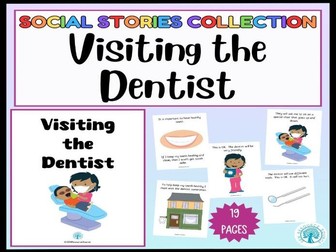
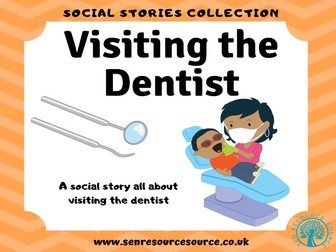
Social story to help children to know what to expect at a visit to the dentist to ease any anxiety prior to their visit.
The point of a social story is to use a patient and reassuring tone to teach children about social situations in a way that can be easily understood. Social stories can be useful for any child who is struggling to understand a situation or concept or needs help to understand a social skill or social cue, expectations, perspectives, common responses or is troubled about an upcoming event but social stories are particularly useful for children on the autistic spectrum for whom social cues can be challenging and who often suffer anxiety if they do not know what to expect from a situation.
These books should be used over and over to reinforce the point so I would suggest either putting the pages into a display book or laminating and binding them.
Clipart images courtesy of Kari Bolt Clip Art
This social story is designed to help children understand what to expect during a visit to the dentist, reducing any anxiety or fear they may have. It offers a reassuring overview of the dental process, helping children feel prepared and confident.
Perfect for preparing children for a dentist appointment, this story makes the experience feel more predictable and less overwhelming. Ideal for parents and caregivers to use before the visit to help ease their child’s anxiety.
What’s Inside?
Along with a 19-page social story, there’s also a shorter, adapted version with movable pictures to help engage children on each page.
Why Is This Social Story Helpful?
Social stories use a gentle and reassuring tone to teach children about social situations in a way that’s easy to understand. They are particularly useful for:
• Children who struggle to grasp social concepts.
• Learning social skills, social cues, and appropriate responses.
• Providing guidance on expectations, emotions, and problem-solving.
• Supporting autistic children who may find social interactions challenging and benefit from clear, structured explanations.
How to Use This Story Effectively
• Create a focused environment – Read the story in a quiet space with minimal distractions.
• Read it regularly – Start by reading it twice, then revisit it often to reinforce learning.
• Incorporate it into daily routines – Use the story as part of a structured schedule.
• Use it when needed – If the child struggles with apologising, read the story at relevant moments (without making it feel like a punishment).
• Encourage and praise – Keep the experience positive, reinforcing good behavior with encouragement.
Durability & Reusability
For long-term use, consider laminating and binding the pages or placing them in a display book. This allows for repeated reading and reinforcement, making the lesson more effective over time.
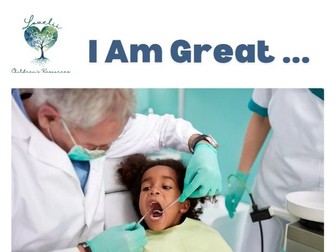
I Am Great at Going to the Dentist’ is a cheerful and comforting social story that helps children feel brave and prepared for their dental visits. With friendly photos and simple language, this book walks young readers through a typical trip to the dentist, showing them that there’s nothing to fear. From sitting in the big chair to getting their teeth checked, kids will learn how easy and important it is to take care of their smile. Perfect for easing dental anxiety, this story shows kids just how great they are at going to the dentist!
It features:
-social story
-activity page
-vocab page
parent guide
In preparing the Reflections on Life Slide Shows I researched quotations from many different sources. This is a great collection of Native American ones. I pasted onto this file from many sites and will, when time, try to include references to the original websites.
There is a lot of material here including part of an autobiography by Chief Black Hawk, dictated to a government interpreter in the region, and edited by John B. Patterson, an Illinois journalist, who published it in 1833.
As always, any rating and comments would be appreciated.
This guide complements our 4 free, interactive and customisable KS1 PSHE lessons on dental health (available from www.unfoldeducation.com ) but can also be used independently or with your own lesson plans. We’ve designed it with KS1 in mind, but it’s equally relevant for KS2 teachers.
About this guide
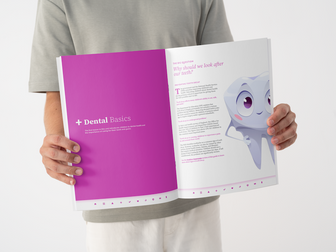
Support children’s learning about dental health with this comprehensive, easy-to-follow CPD guide. Covering everything from brushing habits to dentist visits, this resource helps teachers build the knowledge they need to deliver lessons with clarity and care.
Designed to strengthen subject knowledge and support CPD, this guide makes it easier to lead thoughtful, age-appropriate discussions and respond confidently to children’s questions, without adding to your workload.
What’s inside?
• Key facts about dental hygiene
• Plain English explanations about brushing, healthy habits, and dentist visits
• Guidance for addressing misconceptions and questions
• Safeguarding considerations
• A glossary of child-friendly terms
• Links to further reading and expert advice
Use it for:
• Boosting subject knowledge and confidence
• Planning effective PSHE lessons
• Supporting non-specialists
• Sharing with families to reinforce key learning at home
A social story about the importance of looking after your teeth, brushing them twice a day and visiting the dentist.
The point of a social story is to use a patient and reassuring tone to teach children about social situations in a way that can be easily understood. Social stories can be useful for any child who is struggling to understand a situation or concept or needs help to understand a social skill or social cue, expectations, perspectives, common responses or is troubled about an upcoming event but social stories are particularly useful for children on the autistic spectrum for whom social cues can be challenging and who often suffer anxiety if they do not know what to expect from a situation.
These books should be used over and over to reinforce the point so I would suggest either putting the pages into a display book or laminating and binding them.
Clipart images courtesy of Kari Bolt Clip Art
A National Apprenticeship Service Factsheet: All you need to know about the Dental Nursing Apprenticeship. Dentist, health, work related learning, careers, jobs, work experience.
Dr Wendy Bellis is a paediatric dentist who has been working for over 20 years with the families of children who are on the autistic spectrum. Wendy has written this article based on her experience and feedback from families whose children have grow up under her care. Wendy is speaking at the NAS Professionals Conference in March on this subject.
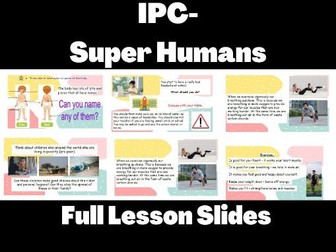
**Full unit Slides for the International Primary Curriculum unit ‘Super Humans’. **
Some lessons require prior preparation or prepared resources:
Entry Point: Teacher to organise parent volunteers (people working in the medical field, e.g. doctors, dentists) to come into visit OR Classroom Teacher to organise a class workout lesson to introduce the new unit.
Lesson 2: Children to go on a senses walk around school grounds or local area.
Lesson 4: Magnifying glasses or mirrors needed for the lesson.
Lesson 5: A music instrument is needed for a brief experiment.
Lesson 7: 5 containers containing different smelling products are needed. 2 containers are to have the same smell. Some good ideas to use are: garlic, ginger, seasoning, lemon etc.
Lesson 8: Packets of jellybeans are needed. There should be five flavours: strawberry, lime, orange, pineapple and grape. Alternatively you can use different flavours of Walkers crisps (as long as they feel the same).
Try out the Lesson 1 slides (for free) here: https://www.tes.com/teaching-resource/-12914188
All images sourced from Pixabay and Free P!k.
Slide background image sourced by yayang art from Pixabay.
Love having you stop by! Please leave a review and let me know what you think :)
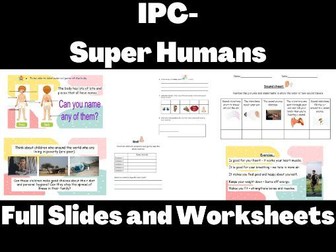
**Full unit Slides and Differentiated Worksheets (when applicable) for the International Primary Curriculum unit ‘Super Humans’. **
Files downloadable as PowerPoint presentations and Word Documents.
Some lessons require prior preparation or prepared resources:
Entry Point: Teacher to organise parent volunteers (people working in the medical field, e.g. doctors, dentists) to come into visit OR Classroom Teacher to organise a class workout lesson to introduce the new unit.
Lesson 2: Children to go on a senses walk around school grounds or local area.
Lesson 4: Magnifying glasses or mirrors needed for the lesson.
Lesson 5: A music instrument is needed for a brief experiment.
Lesson 7: 5 containers containing different smelling products are needed. 2 containers are to have the same smell. Some good ideas to use are: garlic, ginger, seasoning, lemon etc.
Lesson 8: Packets of jellybeans are needed. There should be five flavours: strawberry, lime, orange, pineapple and grape. Alternatively you can use different flavours of Walkers crisps (as long as they feel the same).
Try out the Lesson 1 slides here: https://www.tes.com/teaching-resource/-12914188
All images sourced from Pixabay and Free P!k.
Slide background image sourced by yayang art from Pixabay.
Love having you stop by! Please leave a review and let me know what you think :)
PLEASE NOTE: This material is for someone who wants to teach English.
Hello and welcome!
These ESOL/ESL lessons that I have created over the years I used for helping people learn English so they can better integrate in society. It has taken me over 60 hours to create all of these resources.
Reason I created these resources was because most of the resources I would find online I found them not very practical, simple and to the point.
I live in the UK so the currency used is the pound.
The feedback I got from the learners based on these lessons were great.
The lessons include:
Essential vocabulary where the learner fills in the gaps by choosing the correct word/s from the list of options
Straight to the point, concise and engaging material for the learner including images
Very practical day to day activities
Basic conversation where the learner fills in the gaps by choosing the correct word/s from the list of options
Since it’s in Microsoft Word format(.docx) it is very easy to customize the lesson to suit your own lesson
Lesson content:
At the restaurant(Six pages)
Going to the barber (Six pages)
Buying shoes (Nine pages)
Car breakdown (Seven pages)
Giving directions (four pages)
Going food shopping (Seven pages)
Going to the supermarket (Four pages)
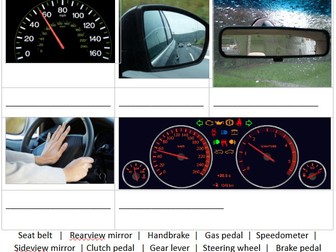
Going for an MOT test (Eight pages)
Going to the bank (nine pages)
Going to the café (Four pages)
Going to the dentist(Seven pages)
Making an appointment with the doctor (Four pages)
Going to the doctor(Six pages)
Going to the hairdresser(Seven pages)
Going to the library(Five pages)
Going to the pharmacy (Three pages)
Going to the Post office(Three pages)
Visiting someone at the hospital(Five pages)
Looking for a home(Eight pages)
Ordering fast food (Four pages)
Taking the bus(Five pages)
Shopping for clothes (Six pages)
Leisure facilities(Part 1) (Seven pages)
Leisure facilities(Part 2) (Eight pages)
24 lessons
£15
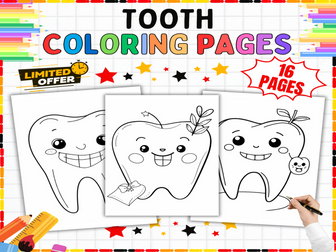
Tooth Colouring Pages – a fun and educational collection of dental health-themed printables designed to spark creativity and develop fine motor skills in young learners. These engaging worksheets feature adorable teeth with happy, smiling faces – perfect for classroom use, home learning, or dental health awareness activities.
What’s Included
This resource pack contains 16 unique colouring pages, each beautifully illustrated with charming tooth characters. From happy teeth with big smiles and rosy cheeks to teeth holding toothbrushes and dental floss, there is something to make learning about dental hygiene enjoyable for every child.
Key Features
Develops fine motor skills through controlled colouring and pencil grip practice
Supports dental health education with engaging tooth-themed illustrations
Encourages focus and concentration during independent work time
Versatile resource ideal for dental health week, PSHE topics, or science lessons
No preparation required – simply print and use
Available as a High-Quality PDF File
Educational Benefits
These dental colouring worksheets provide meaningful learning opportunities beyond creative play. Colouring helps children develop hand-eye coordination, strengthen fine motor muscles, and improve concentration skills. The tooth theme supports health education and can complement discussions about brushing teeth, visiting the dentist, and healthy habits.
Perfect for dental health week, PSHE lessons, morning work, or as a relaxing reward activity.
How to Use
Simply download, print, and distribute to your learners. These pages work beautifully with coloured pencils, crayons, or felt-tip pens. Use individually or create personal colouring booklets for each child. Includes helpful colouring tips to support young artists.
Preview images are available to help you see exactly what this resource includes before purchasing.
This dental health colouring resource is a valuable addition to any primary classroom, offering hours of purposeful, creative learning during health topics or dental awareness activities.
The Ultimate “Low Beginner Conversational” ESL Conversation Bundle
Are you a teacher looking for a curriculum that actually gets students talking? Stop spending your weekends scouring the internet for worksheets. This comprehensive 32-lesson digital lessons is designed to take low beginner English learners from “Hello” to high-functioning social interactions with ease and humor.
This 32-lesson digital lesson series is an all-in-one resource for ESL/EFL educators, private tutors, and language centers looking for a structured, professional, and engaging curriculum for adult or teenage learners.
Why Teachers Love This Resource
Every lesson in this bundle follows a consistent, research-backed seven-step structure that minimizes prep time and maximizes student output:
Tongue Twisters: High-energy pronunciation warm-ups like “Three gray geese in the green grass grazing”.
Visual “Getting Started”: Compelling images to spark immediate discussion and descriptive language.
Dialogue Practice: Real-world scenarios (moving house, visiting the dentist, ordering a burger) to build confidence.
Speaking Patterns: Target functional language like “Feel free to…” or “I’m worried I’ll be late for…”.
Sentence Building: Targeted grammar practice including “Be” verbs, prepositions, and future tenses.
Fun Facts: Cultural insights and trivia (from top US names to the history of the electric chair!) to keep students engaged.
Common Mistakes: Critical “Error Correction” sections to polish grammar and avoid frequent pitfalls.
What’s Included? (16 Deep-Dive Lessons)
This 32-PDF digital product series covers a massive range of essential life skills:
Social Essentials: Introducing yourself in a new neighborhood, making small talk at housewarming parties, and inviting friends to dinner.
Life & Home: Arranging furniture, discussing daily routines, and talking about jobs and the future.
Interests & Fun: Sharing likes and dislikes, talking about favorite movies, and discussing hobbies like horseback riding or sports.
Navigating the World: Managing appointments, discussing “running late,” and a full suite of lessons on ordering food and drinks at a restaurant.
Dental / Oral Hygiene PSHE lesson resource which looks at common misconceptions about dental hygiene, how best to brush teeth, impact of sugar on teeth, chewing gum, flossing teeth and what happens at a dentist visit. Pictures give examples of some of the slides included in the lesson.
We also offer this lesson in a shorter form time format here and you may also be interested in our lesson on personal hygiene here
This is an easy to follow power point lesson (no prior planning, printing or preparation required). The resource is designed to be delivered as one 60 minute session but all of our resources are fully editable and designed to allow sections to be added, removed or changed should you need to do so.
No previous knowledge in the subject area is needed, the lesson is easily deliverable by someone who is not a subject specialist or an experienced PSHE teacher. Meets current UK PSHE Guidance
Lesson Includes-
Clear and accurate information
Discussion and feedback tasks
Starter and plenary task
Video clips
Teacher guidance slide
Careers slide
Rights Respecting Schools Slide
Further support links
In response to current educational research on cognitive load, our lessons contain minimal unnecessary text or imagery in order to enhance memory of key information
For more information related to PSHE, Citizenship, Behaviour and Awareness Events as well as support and guidance from experts and colleagues, please join our community Facebook group here or you can also find us on Instagram Tiktok, Facebook and X. You might also want to have a listen to the Youcantknoweverything Education podcast. Discussing a variety of topics to keep our young people happy, healthy and well.
Leave us a positive review and get your next resource for free. Just email us with the details.
If for any reason you are unhappy or have technical problems with this resource please email youcantknoweverything@gmail.com and we will do our best to resolve any problems for you.
Youcantknoweverything Education
A resource for Health and Social Care AS/level 3. This unit looks at preventative measures, government initiatives and health education. For more materials relating to this resource, please visit the NGfL site, linked below.
The topic of Cumulative Frequency from the Year 9 book of the Mathematics Enhancement Program. For information about these resources and an index for the whole collection please visit http://www.mrbartonmaths.com/CIMT.htm.
Keywords: Statistics, Data, Grouped, Cumulative Frequency, Box Plot, Box and Whisker Diagram, Curve, Median, Quartile, Upper, Lower, Percentile, Distribution, Inter quartile Range, Semi Inter quartile, Frequency Polygon, Total, Percentage.
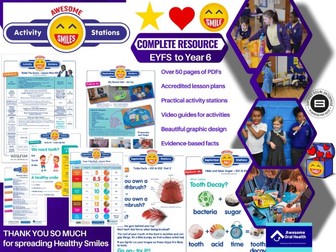
Looking for engaging & informative dental resources for your primary school?
Our Awesome Smiles Activity Stations resource pack makes it easy for you to deliver oral health education in your classroom & offers hands-on fun to get the whole school smiling!
Download the PDF’s here and watch the short videos on YouTube.
Suitable for all ages from reception to Year 6, covering EYFS, KS1 and KS2, the lesson plans and supplementary materials are evidence-based smile science and fully accredited by the BSDHT (British Society for Dental Hygiene and Therapy) to guarantee reviewed and up-to-date for 25/26 school year.
Designed by passionate dental professionals working with experienced teachers to guide you through one simple set up that every class and year group can share. This whole school approach to oral health promotion meets NICE recommendations as well as benefitting every pupil who gets excited about caring for their smile.
Intended Learning Outcomes:
Upon successful completion of these activities, students will be able to:
Identify their personal motivations for looking after their smile, and use as inspiration to create artwork.
Recognise members of the dental practice team and perform in a role play of visiting a dentist for a check-up.
Demonstrate a systematic toothbrushing technique covering all surfaces for effective plaque removal and list what tools they could use to accurately time 2 minutes.
Estimate the amount of sugar in a variety of popular drinks and compare which are more damaging/safer for teeth.
Classify food items into high or low sugar categories and arrange accordingly as either suitable for consumption as a snack or best kept to mealtimes as part of a healthy diet and to reduce the risk of tooth decay.
State how often and for how long tooth brushing is advised. Describe how much fluoride toothpaste should be used. Explain why rinsing after brushing is not recommended.
Available until Easter holidays 2026
Download for free today thanks to the generosity of Wesleyan Foundation.
Enjoy the fun! :-)
A resource for Health and Social Care AS/level 3. This unit looks at preventative measures, government initiatives and health education. For more materials relating to this resource, please visit the NGfL site, linked below.
A resource for Health and Social Care AS/level 3. This unit looks at the ways in which health promotion – through education, screening and immunisation programmes, campaigns and legislation - can influence choices and improve health. For more materials relating to this resource, please visit the NGfL site, linked below.
Discuss bacteria living in and on humans and compare our digestive system with that of ruminants. Find out how bacteria help us to recycle waste and make river water safe for us to drink. Visit the Microbe Zoo! Ask 'What does our skin do?' 'Is there life on Mars?'
Suitable for Y6 pupils.
A resource for Health and Social Care AS/level 3. This unit looks at the ways in which health promotion – through education, screening and immunisation programmes, campaigns and legislation - can influence choices and improve health. For more materials relating to this resource, please visit the NGfL site, linked below.


 Quick View