



Cyber attacks are not just something that happens to big companies in films. They can start with a weak password, a rushed click or a missed update and the impact can quickly affect real people.
Cybersecurity in the real world is a classroom ready 9 lesson GCSE Computer Science unit that shows pupils how attacks happen, why people are often the weak point and how organisations defend, respond and recover. Pupils explore social engineering, malware, passwords and vulnerabilities like SQL injection then build practical defences including firewalls, encryption, access control, patching and physical security.
It also covers ethical hacking, incident response and the legal and ethical responsibilities under GDPR and the Computer Misuse Act, finishing with modern threats like AI phishing, deepfakes, IoT risks and cyber warfare.
Everything is fully planned and ready to teach, so you can deliver with confidence and keep the topic real, current and easy to run.
LESSONS INCLUDED
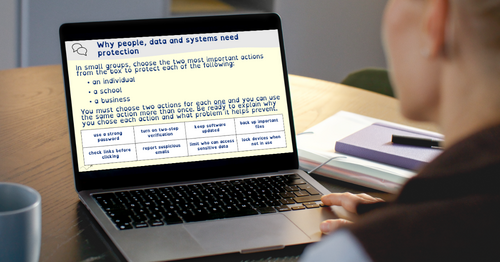
- Lesson 1: Cybersecurity in everyday life What cybersecurity is, why it matters to individuals, schools and businesses and how weak protection can lead to real disruption.
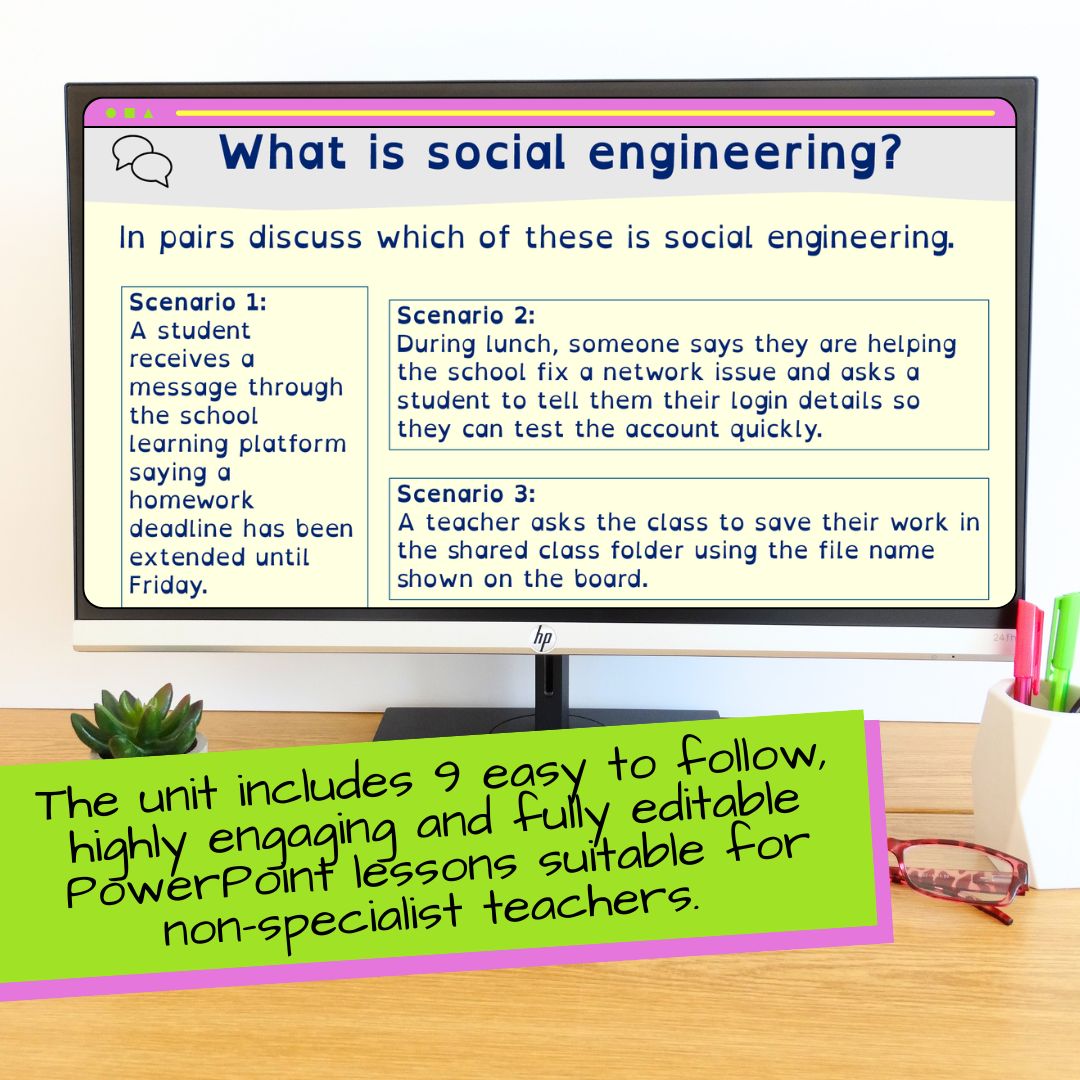
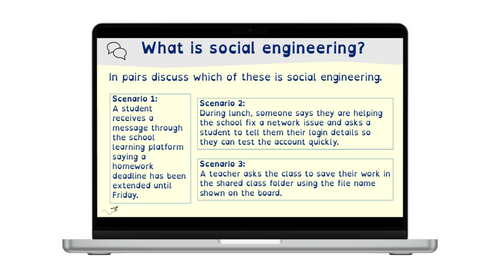
- Lesson 2: People as the weak point Social engineering and how phishing, blagging and shoulder surfing work. Pupils practise spotting manipulation and suggesting practical protections.
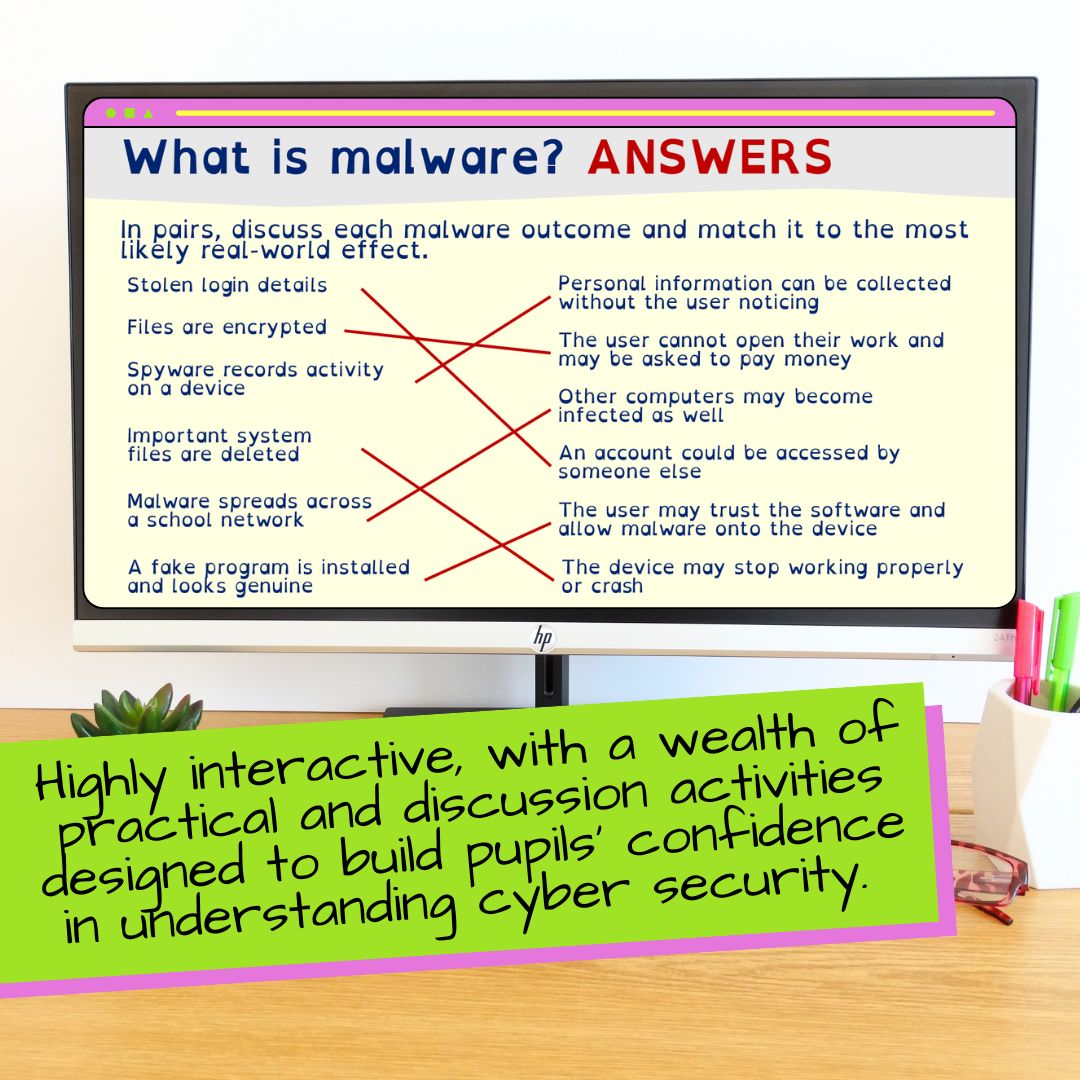
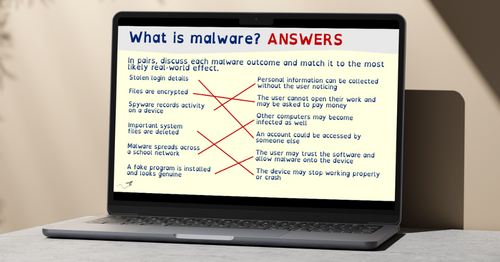
- Lesson 3: Malware and malicious code What malware is, how viruses, trojans and worms spread and how anti malware and safe habits reduce risk.
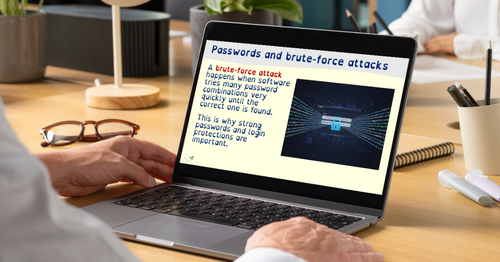
- Lesson 4: Cracking access and breaking in How attackers gain unauthorised access using weak and default passwords, brute force attacks, removable media, SQL injection and data interception plus layered defences.
*** Lesson 5: Building stronger defences** Firewalls, encryption, access levels, biometric security, email confirmation checks, patching, automatic updates and physical security. - Lesson 6: Ethical hacking and penetration testing What penetration testing is, why permission matters and how internal and external testing help organisations find weaknesses safely.
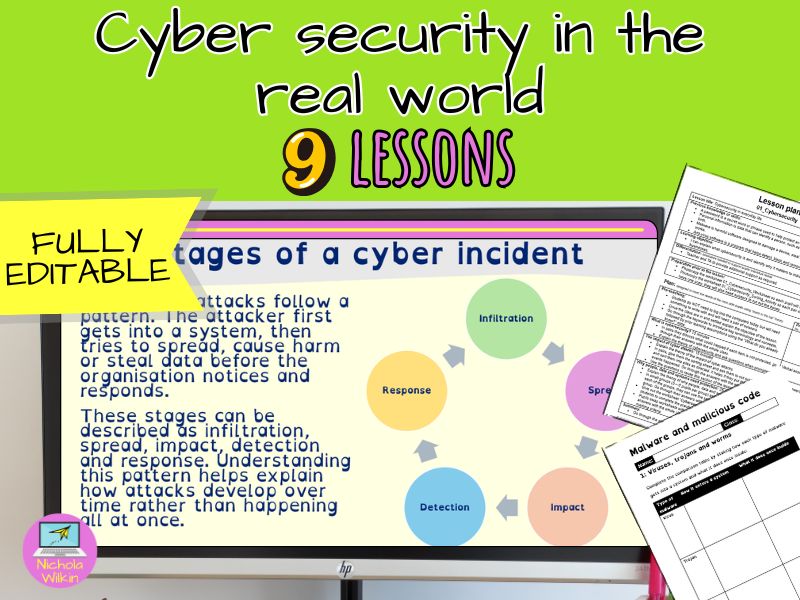
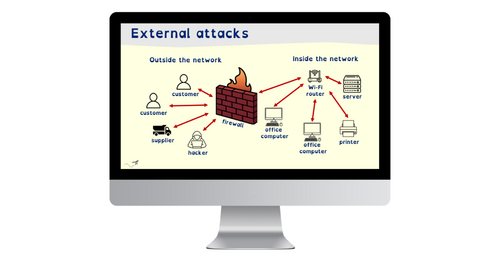
- Lesson 7: Cyber attacks The stages of a cyber incident, denial of service attacks, botnets, advanced threats and how organisations respond, communicate and recover.
- Lesson 8: Law, ethics and digital responsibility GDPR, the Computer Misuse Act, privacy vs surveillance and how ethical dilemmas shape cybersecurity decisions.
- Lesson 9: The future of cybersecurity AI generated phishing, deepfakes, IoT risks, quantum computing, cyber warfare and proposing realistic solutions to real world problems.
.
WHO IS THIS FOR?
Ideal for GCSE Computer Science classes and great for teachers who want a modern, real world cybersecurity unit with clear explanations, discussion tasks and exam style questions built in.
Buy now to help pupils understand how cyber attacks really happen, how to defend against them and how to think responsibly about security, privacy and the future of technology.
Something went wrong, please try again later.
This resource hasn't been reviewed yet
To ensure quality for our reviews, only customers who have purchased this resource can review it
Report this resourceto let us know if it violates our terms and conditions.
Our customer service team will review your report and will be in touch.
£50.00