Battle of Hastings & Norman Conquest Complete Bundle
Resource Bundle


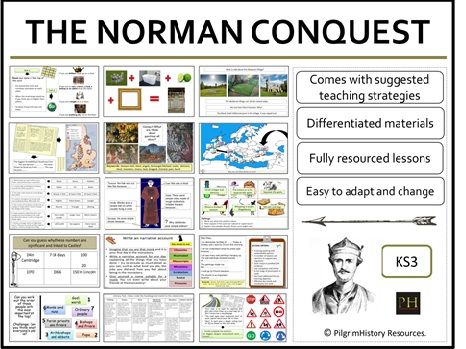

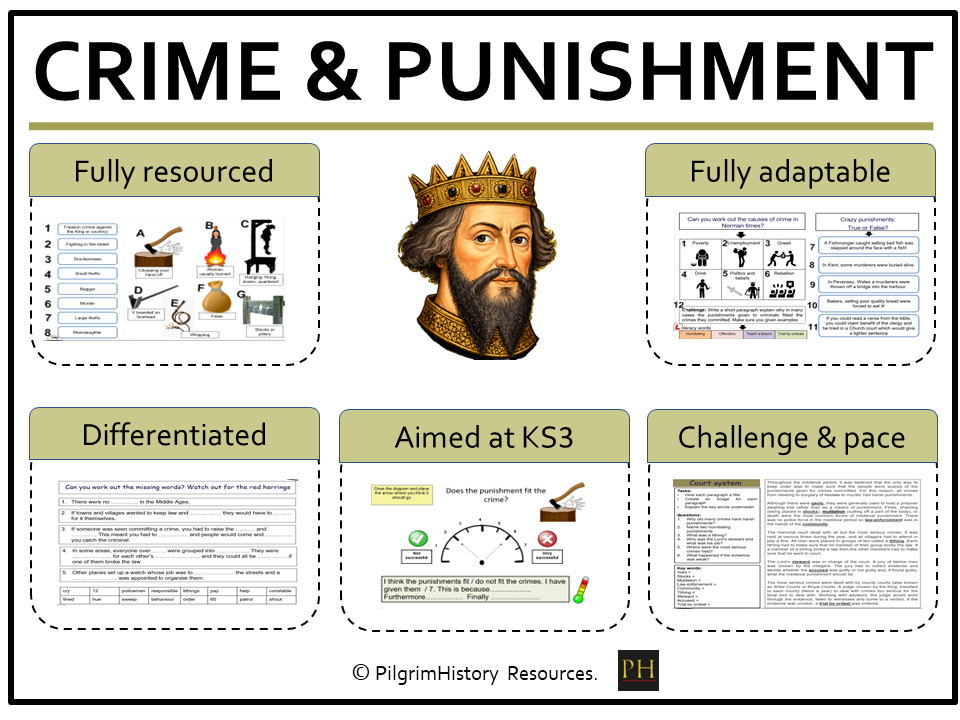
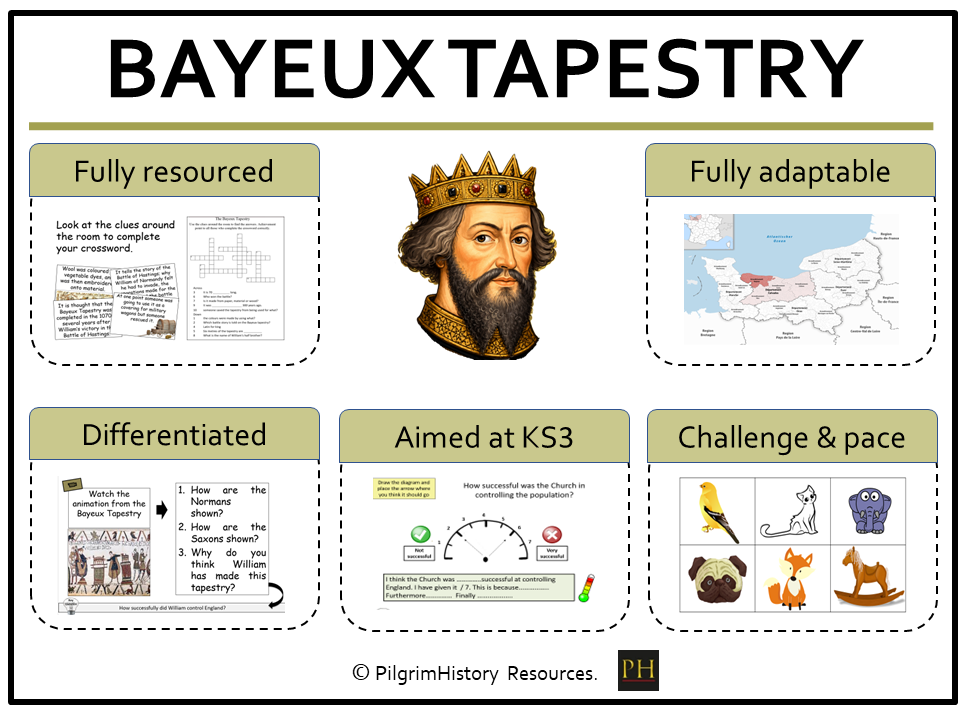
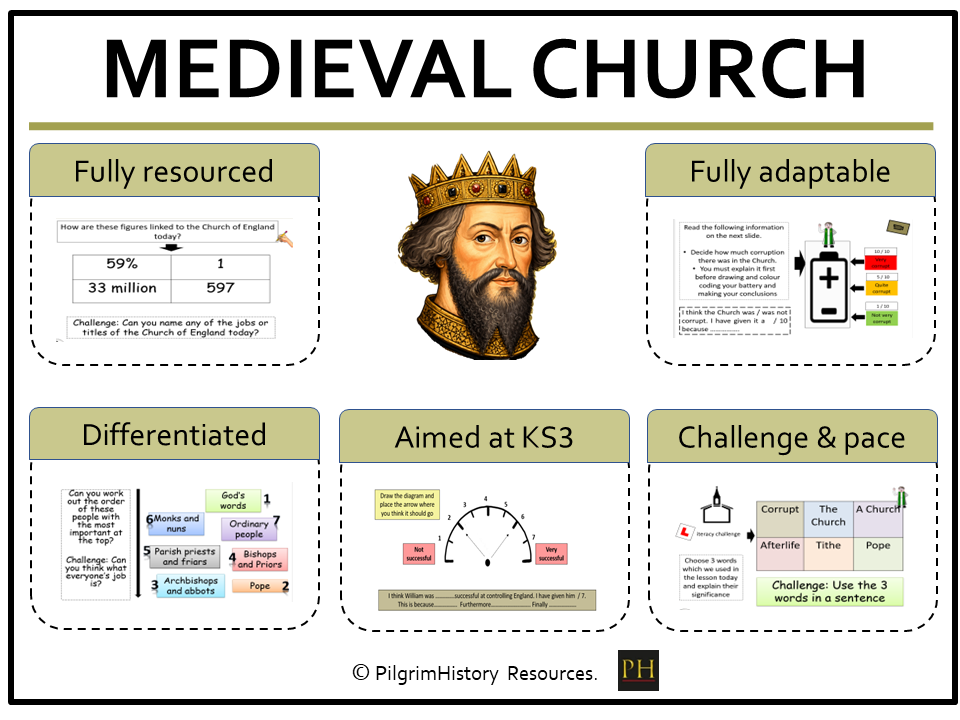
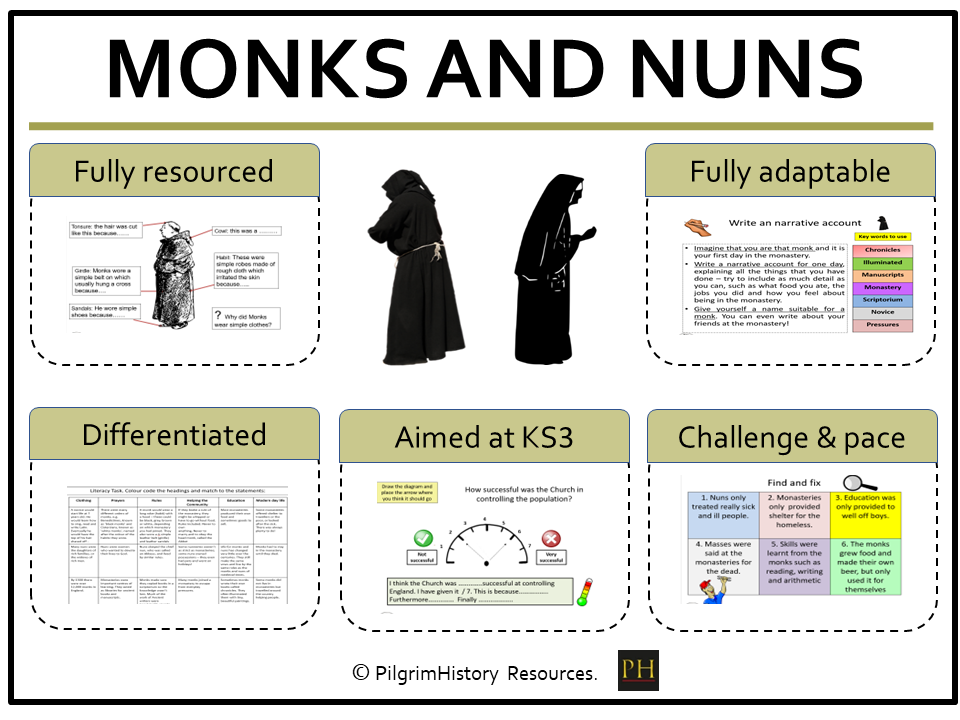
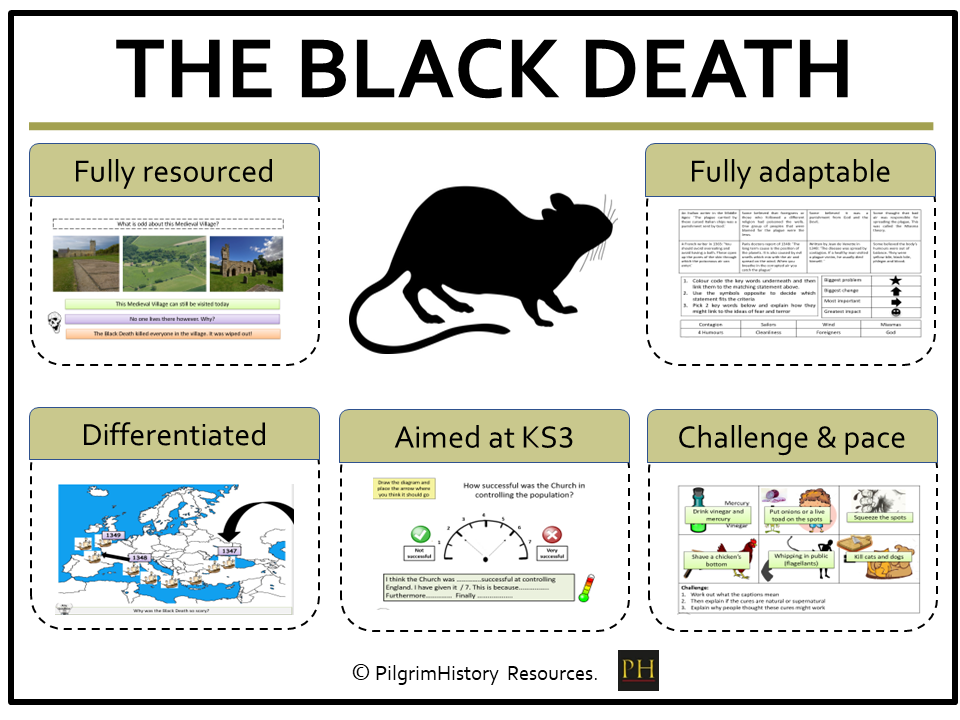
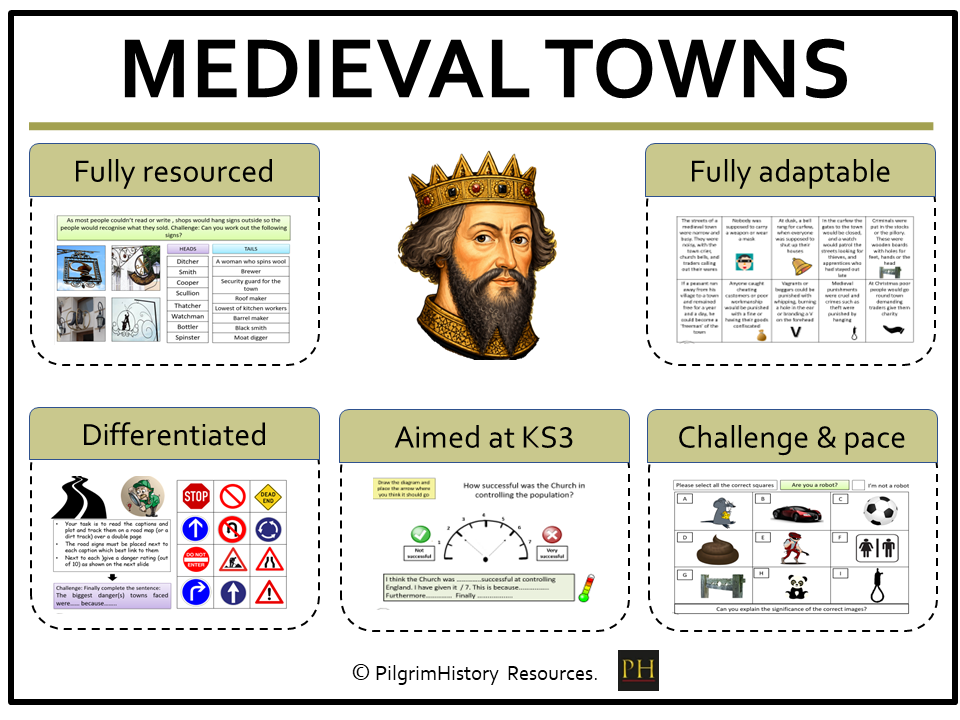
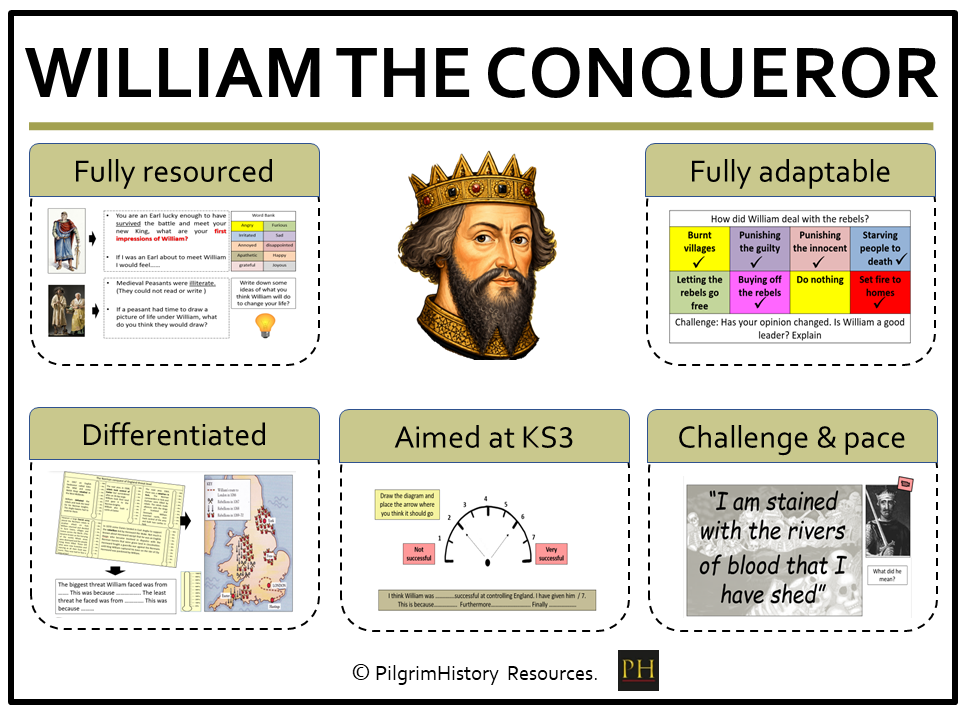
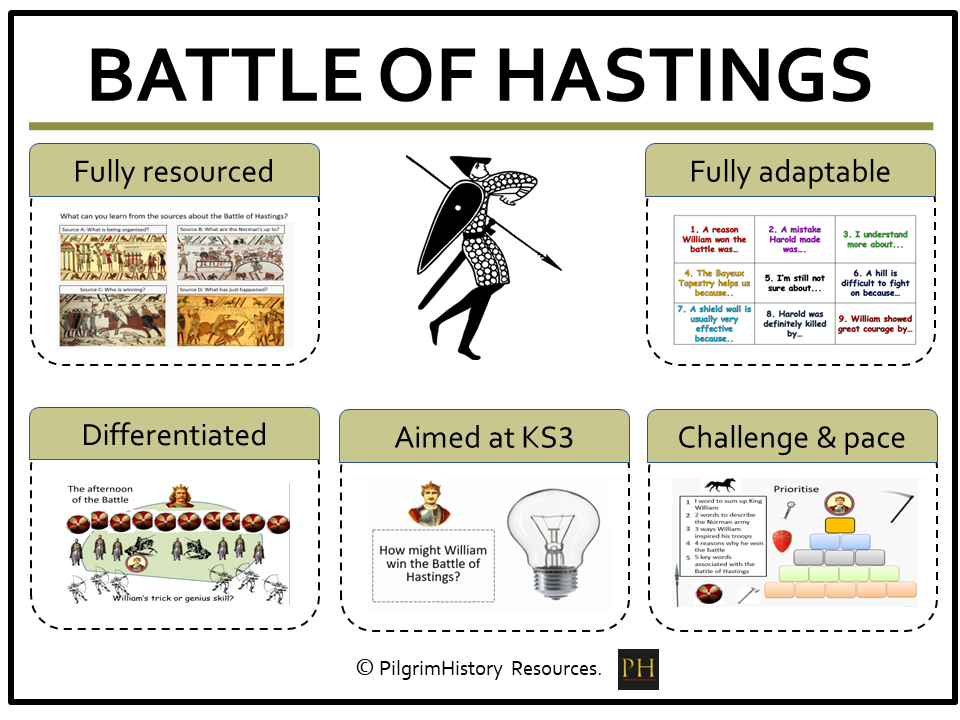
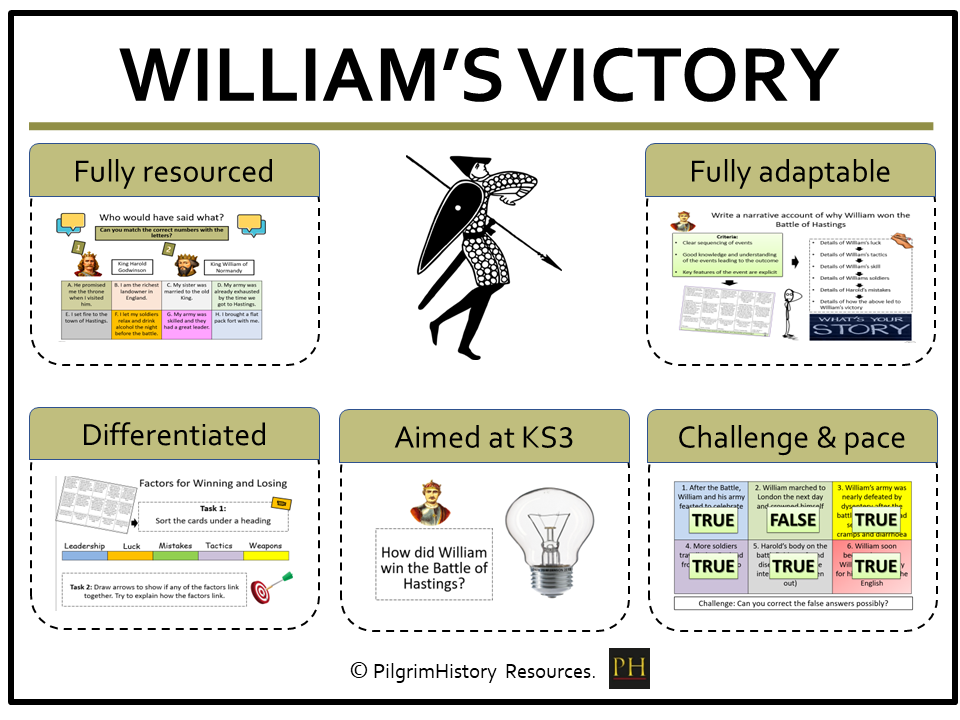
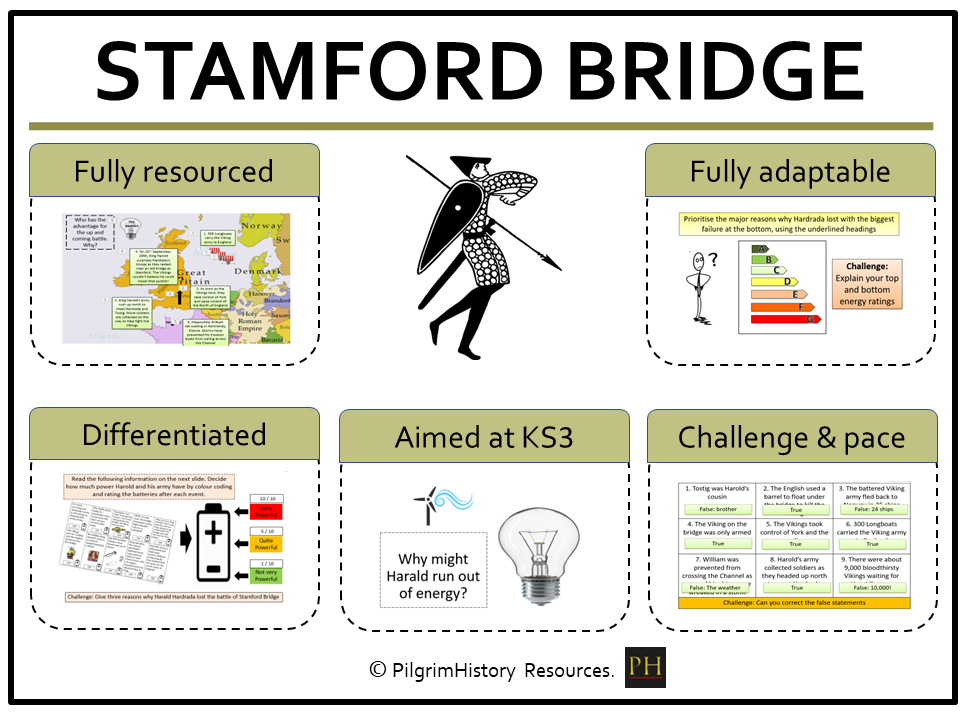
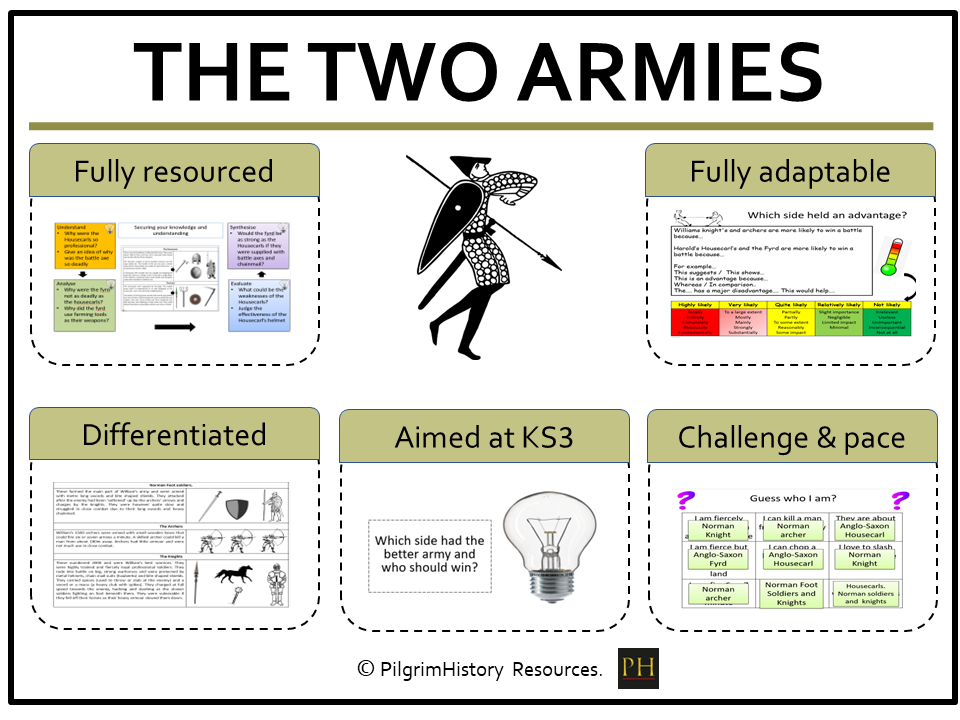
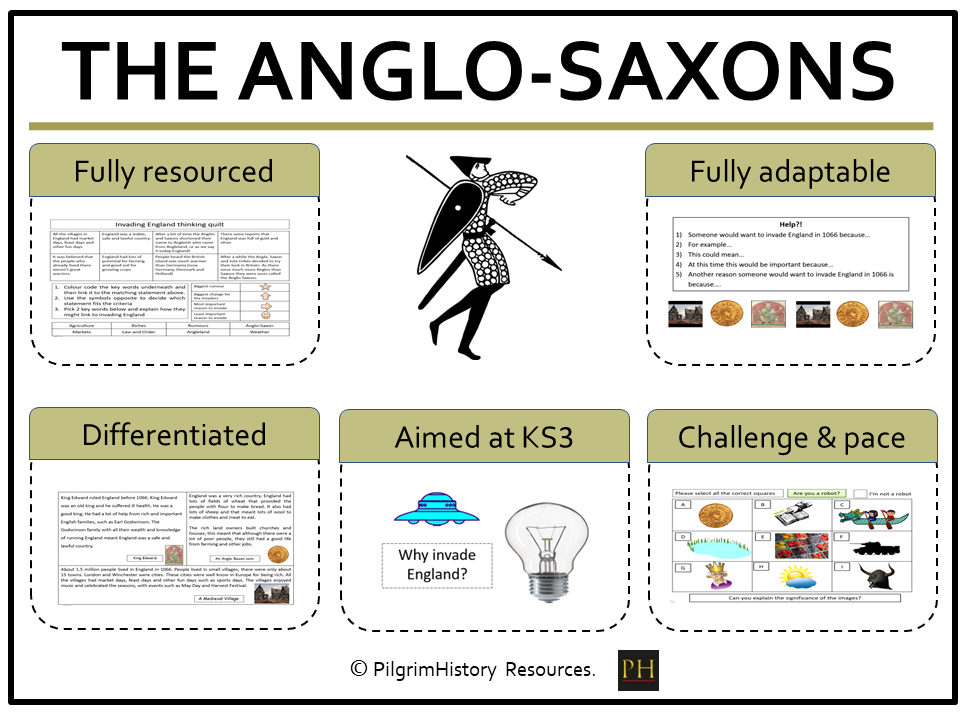
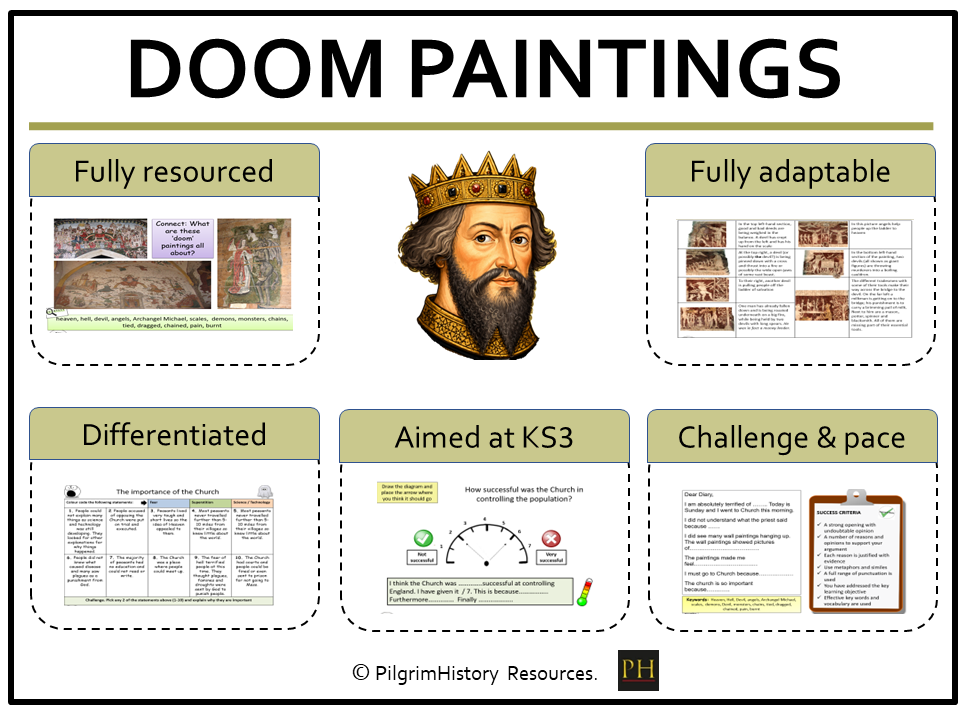
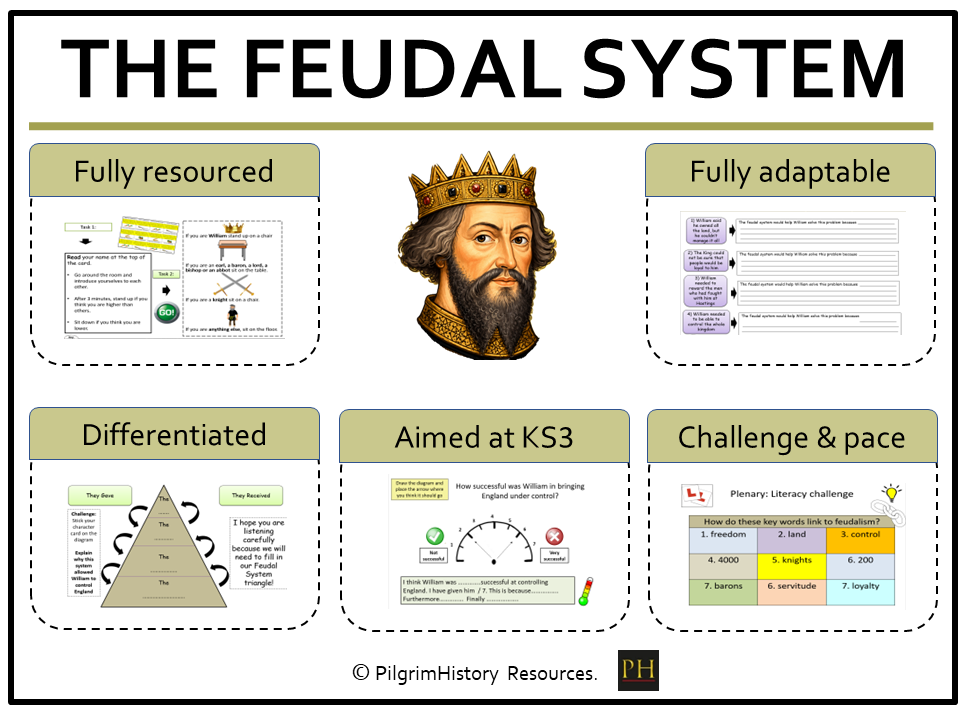
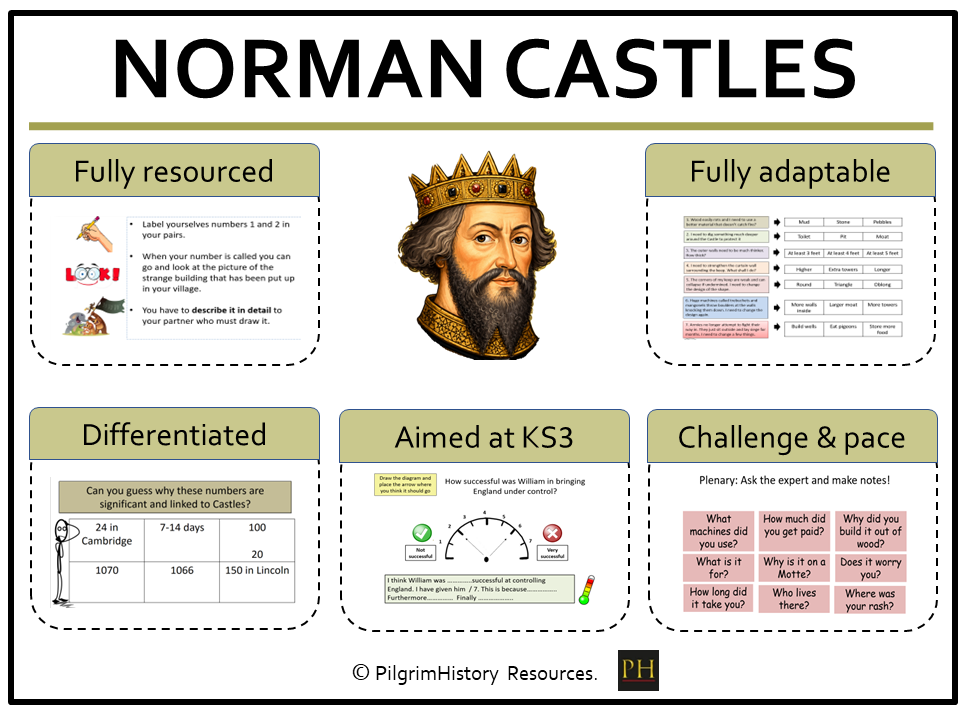
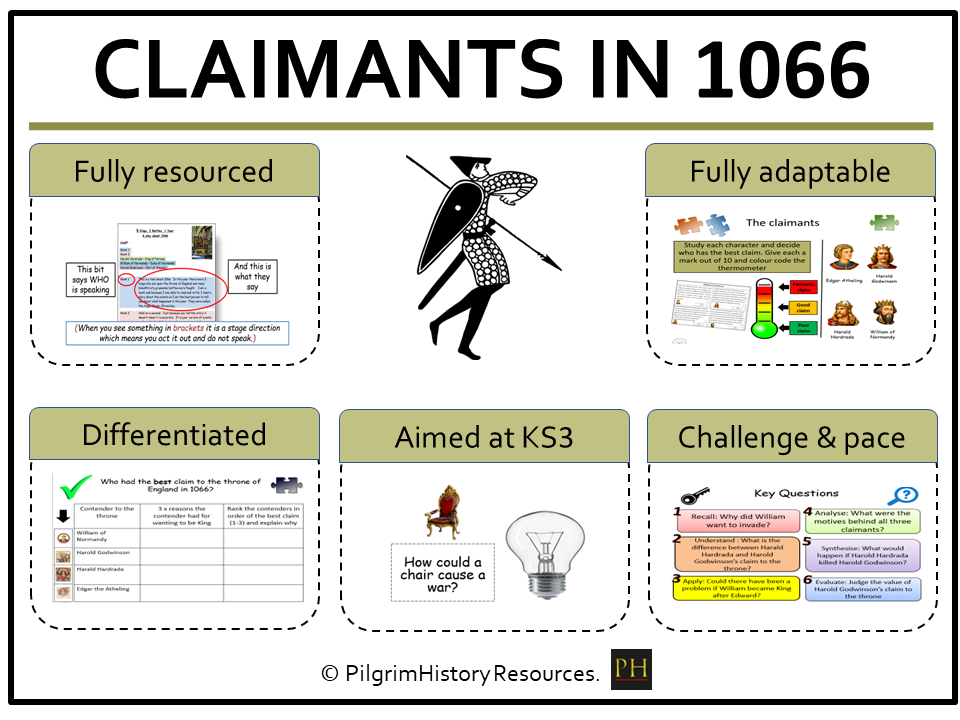
These lessons are designed to meet the needs of the Key Stage 3 National Curriculum and cover the development of the Church, state and society in Medieval Britain 1066-1509; the Norman Conquest.
This bundle addresses key historical skills from the outset using historical enquiry and evidence:
Why was England a good place to invade in 1066 after the fall of the Roman Empire? What was the significance of Alfred the Great? What were the causes and consequences of Edward the Confessor dying? What were the similarities and differences in the claims of contenders to the throne? What was significant about the Battle of Stamford Bridge and how was William the Conqueror able to win the battle of Hastings?
Who was William the Conqueror and how did he establish and maintain his rule in England? What were the causes and consequences of Castle building throughout the British Isles? What were the similarities and differences between the role of the Church, monks and nuns and Doom Paintings? What was significant about the Black Death and its effect on the population of Britain and Europe and how dangerous and unhygienic were Medieval towns?
These skills are addressed in each of the lessons and allow students to be able to make connections, draw contrasts, analyse trends and be able to create their own structured accounts and written narratives.
The lessons are broken down into the following
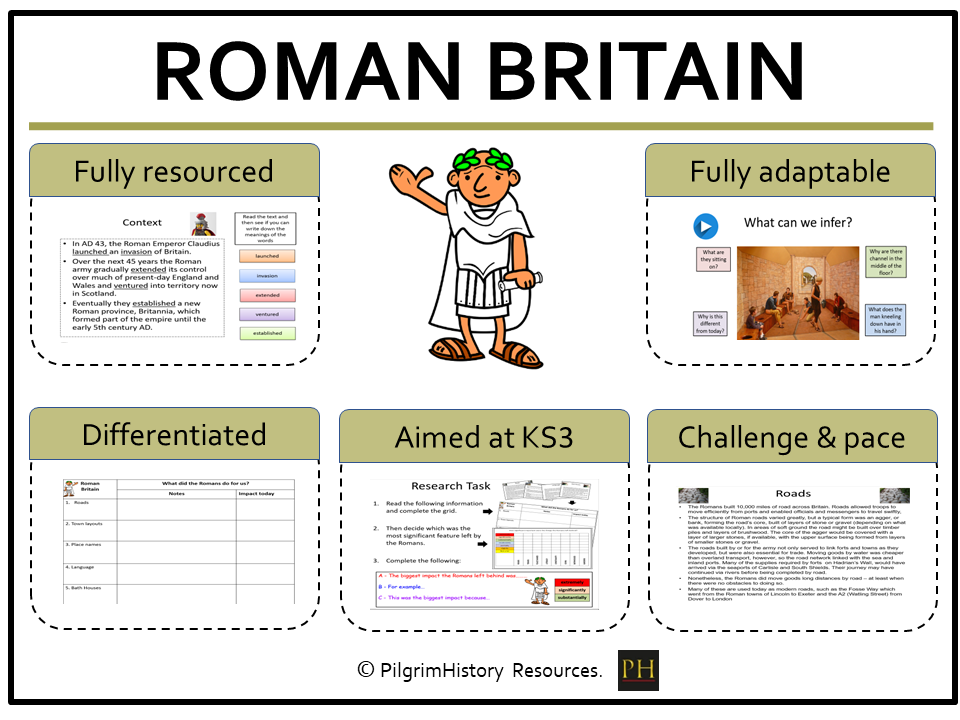
L1 Roman Britain
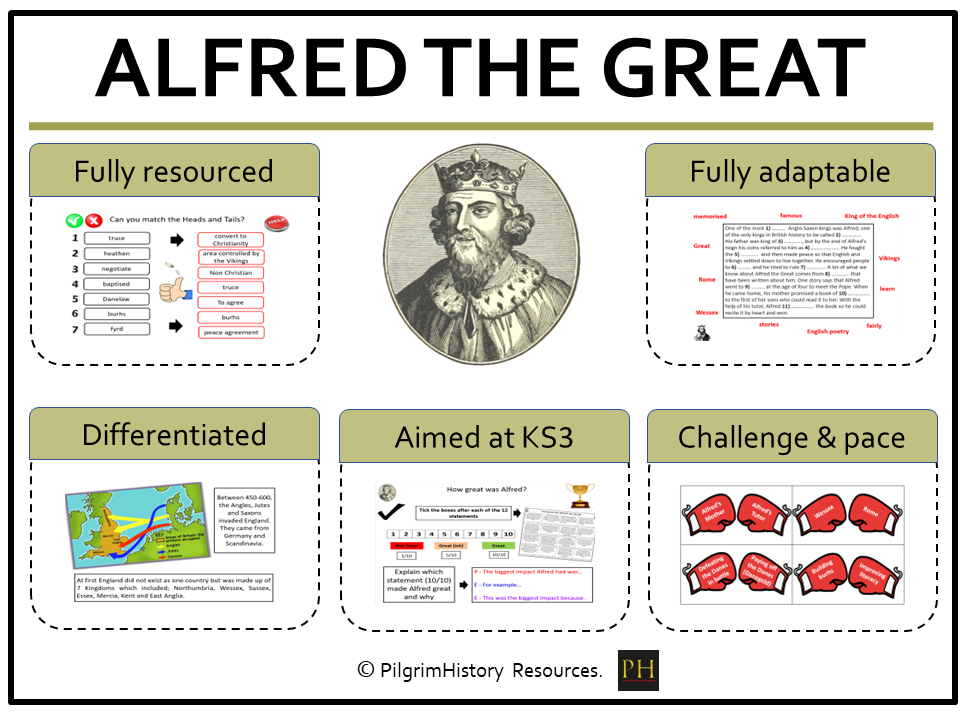
L2 Alfred the Great
L3 The Anglo-Saxons (FREE lesson)
L4 Contenders to the throne
L5 The Anglo-Saxon and Norman armies
L6 The Battle of Stamford Bridge (FREE lesson)
L7 The Battle of Hastings
L8 Why did William win the Battle of Hastings
L9 William the Conqueror
L10 Castles
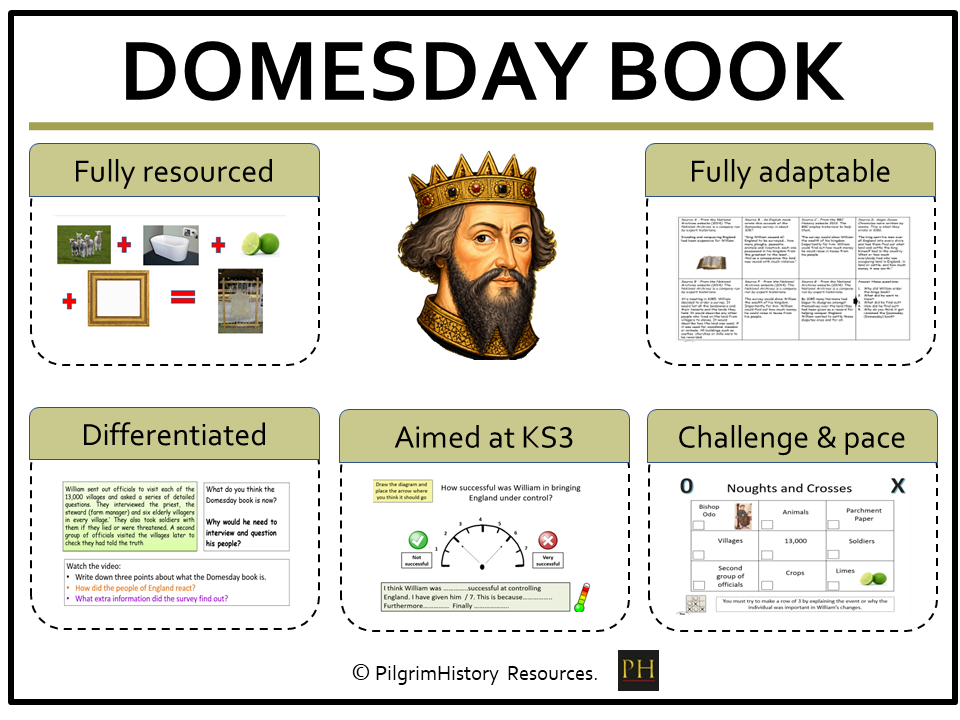
L11 The Domesday Book
L12 The Feudal system
L13 Medieval Monks and Nuns (FREE lesson)
L14 Doom Paintings
L15 The Medieval Church (FREE lesson)
L16 The Bayeux Tapestry
L17 Medieval Towns
L18 The Black Death
L19 Crime and Punishment
These lessons are designed to be fun, challenging, interactive and engaging. The resources come in PowerPoint format if there is a wish to adapt and change.
All the lessons are enquiry based with a key question using a lightbulb posed at the start and revisited at the end to show the progression in learning.
They are differentiated and come with suggested teaching and learning strategies and link to the latest interpretations of the conquest from the BBC and other sources.
I would be very grateful if you could leave a review to aid my future planning.
Something went wrong, please try again later.
This resource hasn't been reviewed yet
To ensure quality for our reviews, only customers who have purchased this resource can review it
Report this resourceto let us know if it violates our terms and conditions.
Our customer service team will review your report and will be in touch.