Explore themes including redemption, poverty and social injustice, family and relationships, death and the afterlife and Christmas with your secondary English students
Dickens’ iconic novella, A Christmas Carol, is firmly rooted in our literary heritage and the character of Ebenezer Scrooge has become synonymous with yuletide hope and the transformative nature of redemption. Drawing upon the Victorian tradition of reading ghost stories at Christmas, Dickens created this novella of spirits and haunting giving his wish in the preface - ‘May it haunt their houses pleasantly’.
The narrative is structured into five staves to reflect the shape of a traditional Christmas carol. Each stave takes us on Scrooge’s journey with Marley’s ghost, The Ghost of Christmas Past, The Ghost of Christmas Present and The Ghost of Christmas Yet to Come on Christmas Eve, through to his redemption on Christmas morning as he finally embraces the spirit of Christmas.
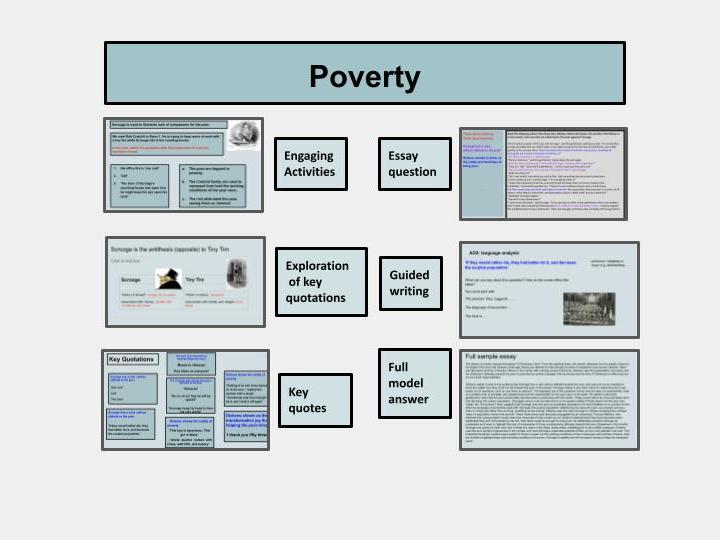
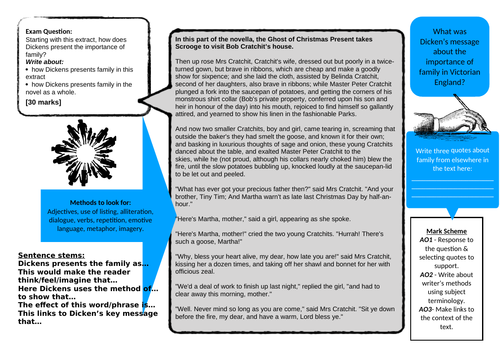
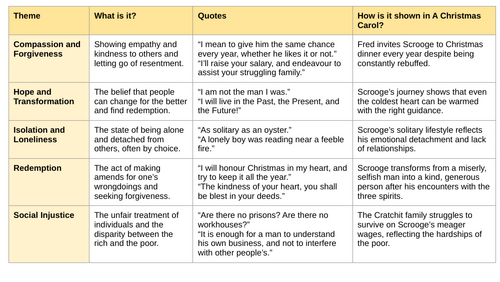
Part of studying A Christmas Carol as a key text for GCSE English literature is understanding the 19th-century novella’s key themes and how they relate to the context of the Victorian era. Dickens highlights the plight of the Victorian poor and the need for reform, through the impoverished Cratchit family and the childlike embodiments of Ignorance and Want. Scrooge’s progress towards redemption in A Christmas Carol raised awareness of how the values we associate with Christmas, charity and generosity, were needed to improve Victorian society.