KS3 Holocaust & Genocide: Complete History Unit & Lessons Bundle
Resource Bundle


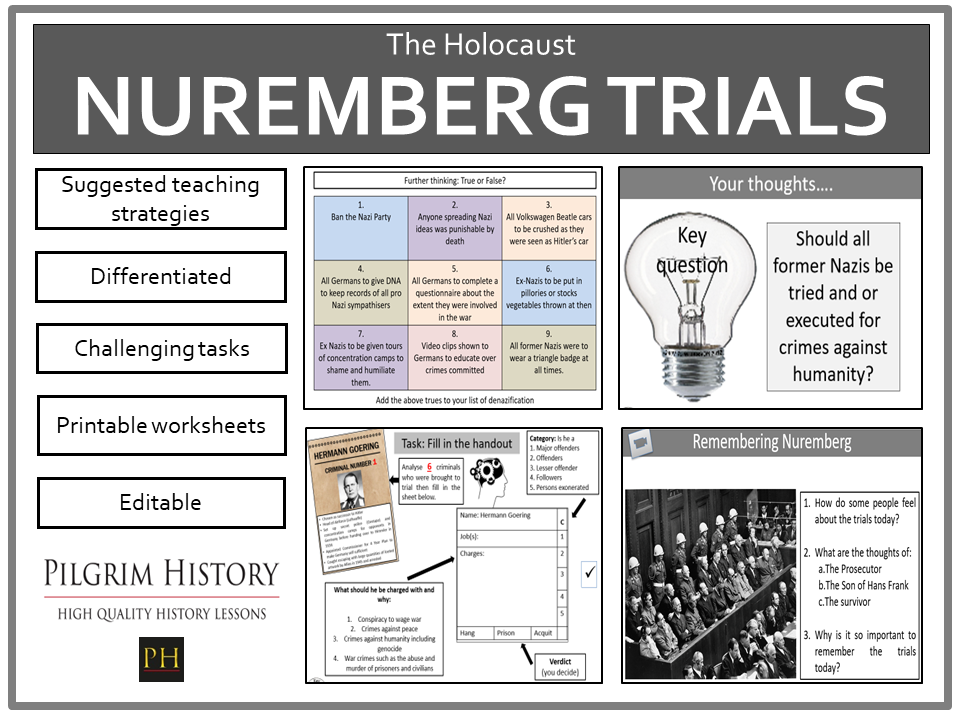
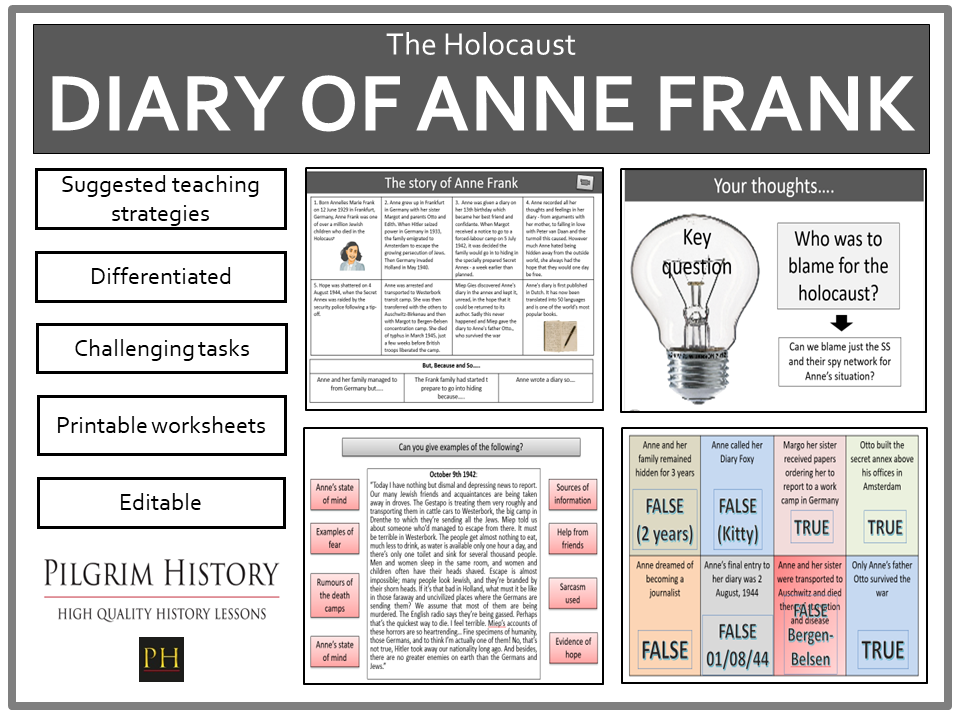
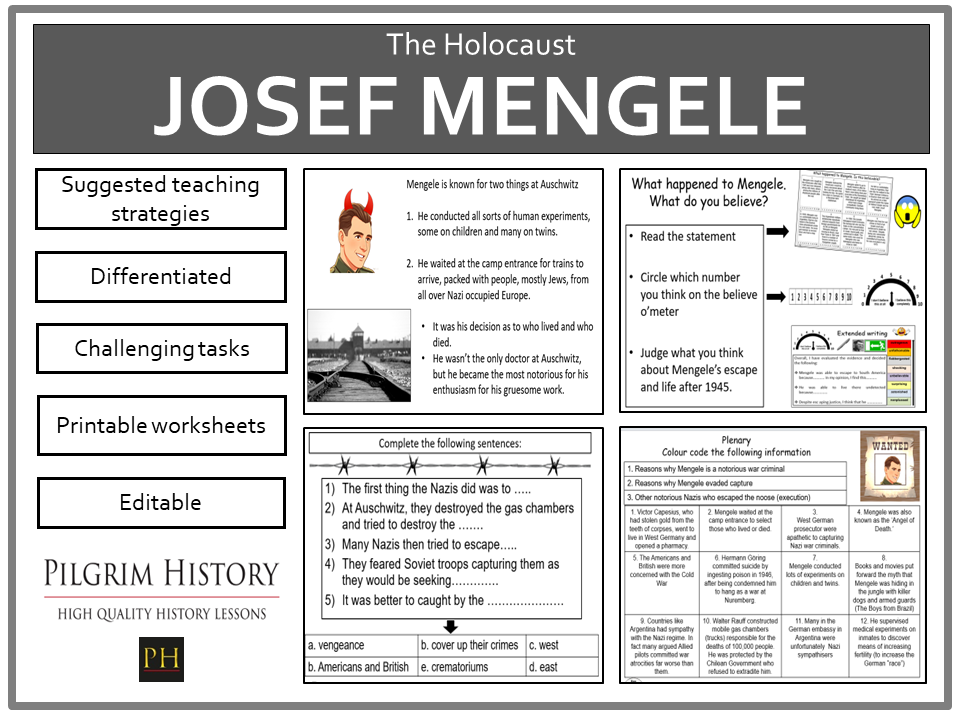
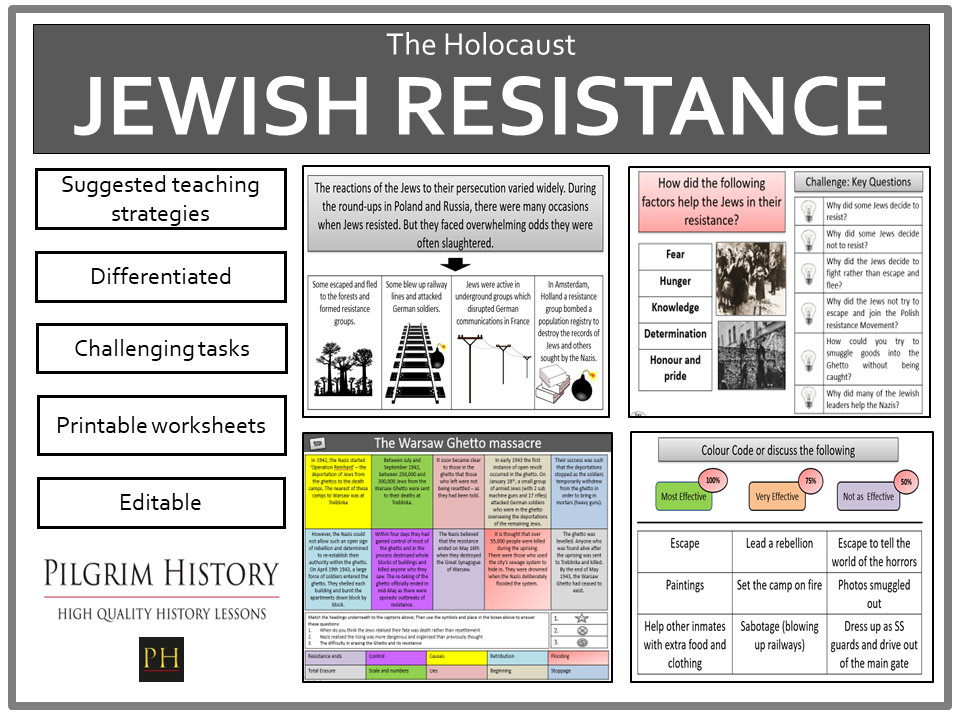
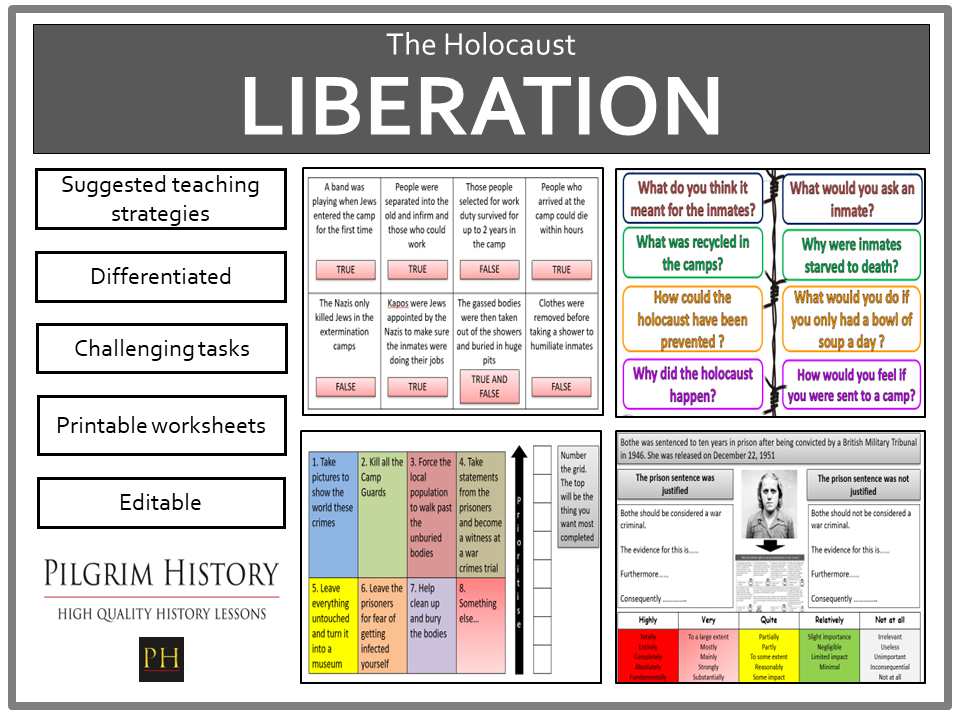
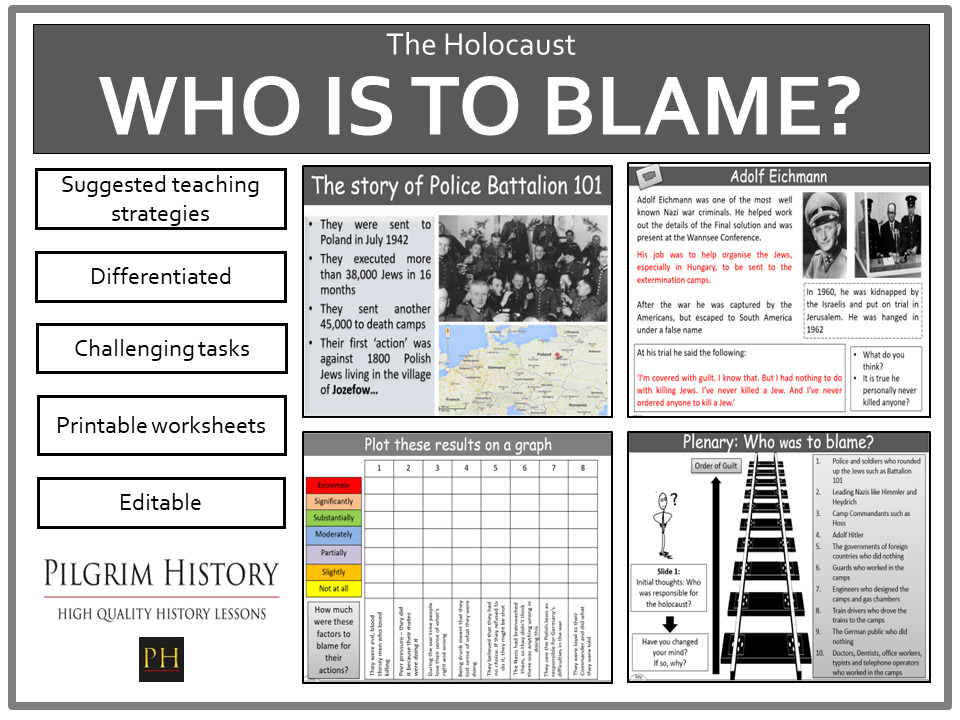
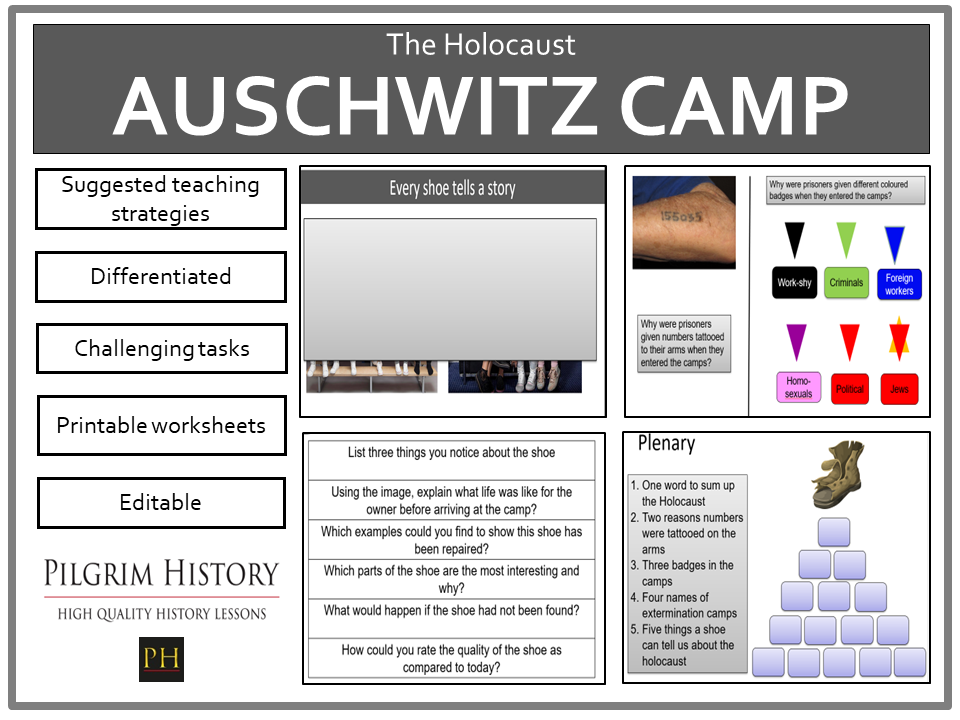
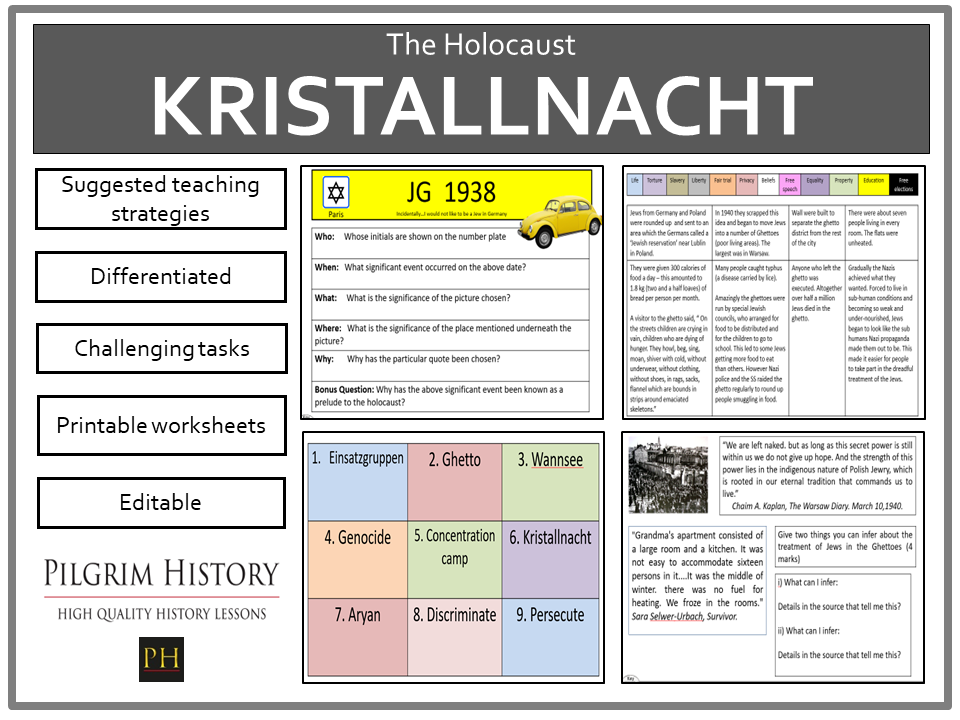
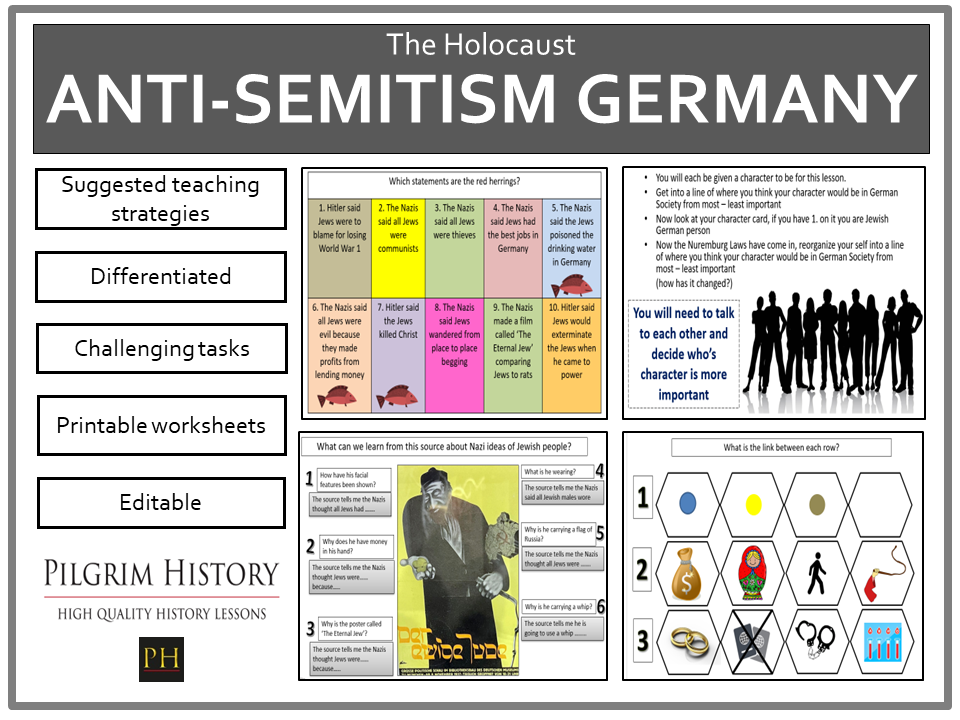
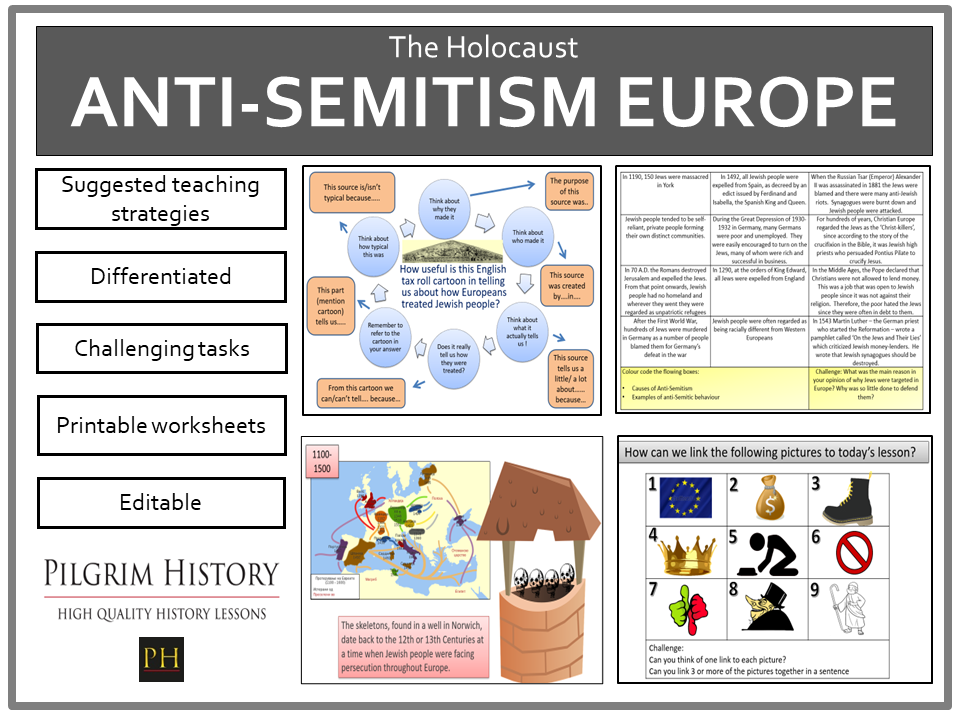
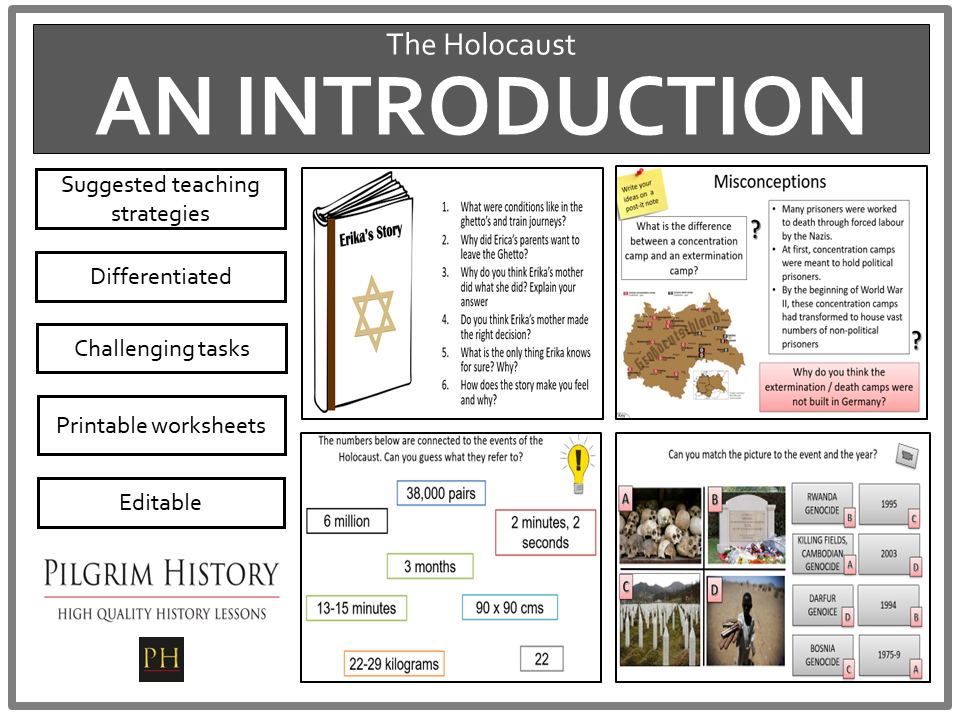
This fully resourced KS3 unit has been designed to support the History National Curriculum topic: “Challenges for Britain, Europe and the wider world, 1901 to the present day.”
The lessons also work extremely well alongside GCSE Germany courses, where there is often limited curriculum time to explore the Holocaust in real depth despite the strong interest and engagement it generates from students.
At the heart of the unit is one central historical enquiry: Who was to blame for the Holocaust?
Across the 11 lessons, students continuously revisit and develop their ideas using a recurring lightbulb activity, allowing them to track and reflect on their thinking throughout the enquiry. This can be colour-coded or dated to clearly demonstrate progress over time.
Students explore the causes, consequences and wider impact of the Holocaust, tracing the roots of anti-Semitism from the Middle Ages through to Nazi Germany and genocide during the Second World War. Along the way, they encounter key historical concepts including discrimination, persecution, propaganda, resistance and genocide, while also learning the difference between concentration camps and extermination camps.
The enquiry is built around a wide range of engaging and challenging historical sources, including extracts from The Diary of a Young Girl, anti-Semitic taxation records from Medieval Norwich, eyewitness testimony, propaganda material and post-war evidence from the Nuremberg Trials.
Students are encouraged to analyse evidence, make historical inferences, evaluate interpretations and construct structured written arguments about responsibility for the Holocaust.
The unit explores the roles played by individuals and groups including Adolf Hitler, Heinrich Himmler, the SS, camp guards, the Einsatzgruppen and Josef Mengele, while also considering the responsibility of ordinary people and wider society.
Included Lessons
L1 Introduction to the Holocaust
L2 Anti-Semitism in Britain
L3 Anti-Semitism in Europe (Free Resource)
L4 From Extremism to Extermination
L5 How Was the Holocaust Organised?
L6 Who Was to Blame?
L7 Jewish Resistance
L8 Liberation of the Camps
L9 The Diary of Anne Frank (Free Resource)
L10 The Nuremberg Trials
L11 The Hunt for Josef Mengele
Each lesson includes suggested teaching and learning strategies, engaging activities, differentiated tasks and carefully selected historical interpretations designed to encourage discussion, enquiry and critical thinking.
All resources are fully editable in PowerPoint format, making them easy to adapt to suit different classes and teaching styles. A number of free lessons are also included to showcase the style and quality of the unit.
The enquiry works particularly well when combined with GCSE-style assessment questions and mark schemes from your chosen exam board, helping students develop analytical and evaluative skills alongside their historical knowledge.
Something went wrong, please try again later.
Great lessons on the Holocaust. Worth the money!
Report this resourceto let us know if it violates our terms and conditions.
Our customer service team will review your report and will be in touch.