Open young learners’ eyes to the wonderful world of minibeasts
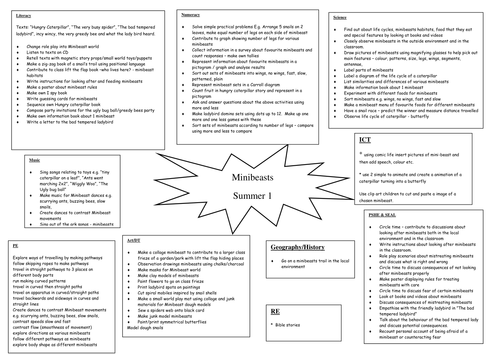
A popular topic in understanding the world, minibeasts are fascinating to young children, especially in spring when many minibeasts emerge from hibernation or dormancy. This blog brings together a collection of minibeast facts, practical ideas and resources to help you plan engaging activities that support early years development across multiple areas of learning.
So, what are minibeasts?
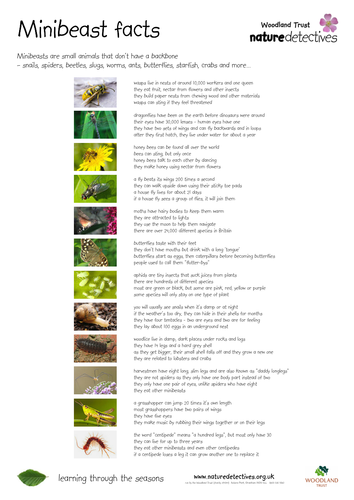
Minibeasts are small living things and invertebrates – they do not have backbones. Minibeasts can be insects, crustaceans, molluscs and arachnids, including bees, ladybirds, woodlice, snails, worms, spiders and there are many more!
Minibeasts may be small, but they are mighty and have a large impact on our surroundings. They contribute to our ecosystems that support us to live. Worms and other minibeasts in the soil can help break down waste into healthy soil for crops to grow in. Bees and other insects are important for pollinating flowers and crops which eventually turn into the food we eat.
Fun fact: It is estimated that the UK has 25,000 different species of minibeasts.
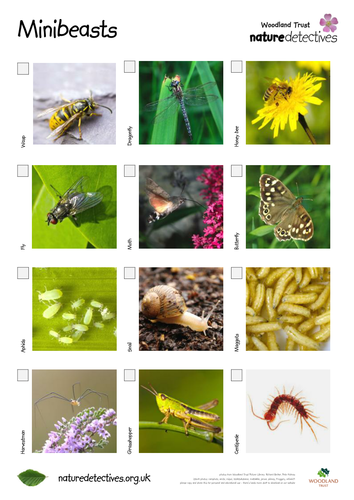
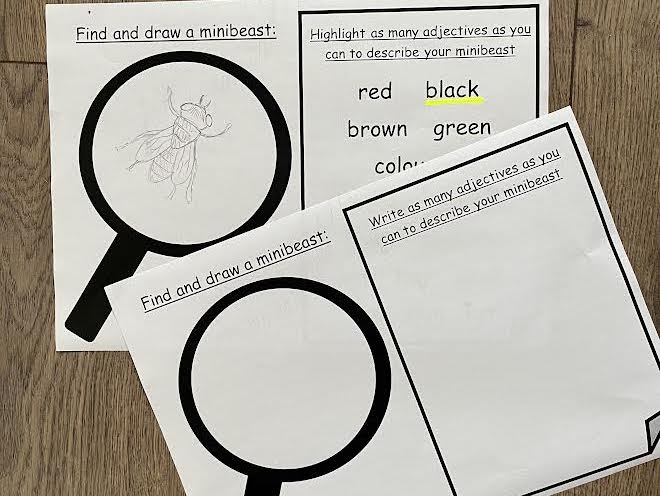
Learning idea: Go on a minibeast hunt in your school playground or garden. Take out a picture chart and ask pupils to see how many minibeasts they can find. Can they tick off more than one minibeast?
Where do minibeasts live?
Different minibeasts have their own preferred living conditions. For example, you might find some minibeasts under logs or stones, as they prefer dark, damp and cool conditions, whilst others prefer leaf piles, ponds, trees, bushes and grass. There are even a small amount of minibeasts that live underground in soil (like worms).
Fun fact: Some minibeasts prefer warmer dry conditions and may even live in your house, like spiders.
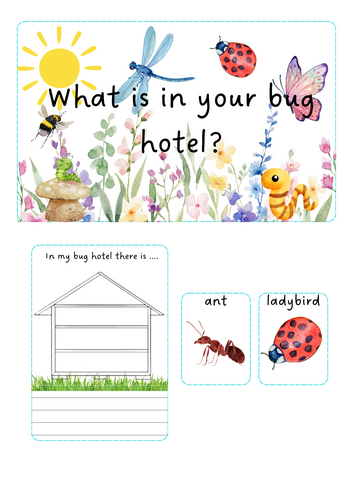
Learning idea: Build a minibeast hotel with your pupils using recycled bottles, nesting tubes, hollow garden canes, string and leaves.
What do minibeasts eat?
Most minibeasts (but not all) are herbivores, which means that they only eat plants. Minibeasts that aren’t herbivores can be omnivores, which eat both plants and animals; carnivores, which mostly or only eat animals; or detritivores, which eat decaying plant and animal matter.
Fun fact: Worms are detritivores and are a sign of healthy soil.
Learning idea: Using a minibeast outline, ask pupils to fill in the space with natural materials such as sticks and leaves to make a minibeast collage.
So, why not get stuck in with a topic on magnificent minibeasts? We’ve brought together a selection of some of the best minibeasts activities on Tes to help you do just that.